

Your gut and your brain are in constant, two-way conversation. The state of your gut microbiome influences your mood, anxiety levels, stress response, and even your risk of depression. Here’s what the science says — and exactly how to use it.
📅 April 6, 2026 | ⏱ 9 min read | 🧠 Mental Health
- What Is the Gut-Brain Axis?
- Your Gut Makes Most of Your Serotonin
- How Your Microbiome Shapes Your Mood
- Signs Your Gut Health May Be Affecting Your Mental Health
- What Actually Helps: Foods and Habits for a Healthier Gut-Brain Axis
- What Disrupts the Gut-Brain Axis
- Should You Take Probiotics?
- Frequently Asked Questions
For most of medical history, the gut and the brain were treated as separate systems. The brain controlled the body. The gut digested food. That was the story.
The last two decades of neuroscience and microbiome research have completely overturned this picture. Your gut and your brain are so deeply connected — biochemically, neurologically, and immunologically — that many researchers now refer to the gut as the “second brain.” And increasingly, the evidence suggests that the second brain may have more influence over your mood, stress response, and mental health than anyone previously imagined.
This isn’t fringe science. It’s one of the most rapidly advancing fields in biomedicine — and the practical implications for how we eat, sleep, and manage stress are profound.

What Is the Gut-Brain Axis?
The gut-brain axis is the bidirectional communication network connecting your gastrointestinal system and your central nervous system. It operates through multiple channels simultaneously:
- The vagus nerve — the longest cranial nerve in the body, running directly from your brainstem to your gut. It carries signals in both directions, but notably, approximately 80–90% of vagal fibres carry information from the gut to the brain — not the other way around. Your gut is constantly reporting to your brain.
- The enteric nervous system (ENS) — a vast network of approximately 500 million neurons embedded in the gut wall. This is the “second brain” — it can function independently of the central nervous system, regulating digestion, immune responses, and gut motility entirely on its own.
- The immune system — approximately 70% of your immune system lives in and around your gut. Inflammatory signals from the gut can directly influence brain function and mood via immune-mediated pathways.
- The endocrine system — gut cells produce over 20 different hormones and neurotransmitter precursors, including serotonin, dopamine precursors, GABA, and peptide YY, all of which influence brain function and mood.
- The gut microbiome itself — the trillions of bacteria, fungi, and other microorganisms that inhabit your digestive tract produce neuroactive compounds that communicate directly with your nervous system.
🔬 Scale Note: Your gut microbiome contains approximately 38 trillion microbial cells — roughly equal to the number of human cells in your entire body. These microorganisms collectively carry 150 times more genetic information than your own genome. They are not passengers. They are partners in your biology.
Your Gut Makes Most of Your Serotonin
Here is one of the most surprising — and most important — facts in gut-brain science: approximately 90–95% of your body’s serotonin is produced in your gut, not your brain.
Serotonin is widely known as the “happiness neurotransmitter” — and while gut-produced serotonin doesn’t directly cross the blood-brain barrier, it plays a critical role in regulating gut motility, sending signals to the brain via the vagus nerve, and influencing the production of other neuroactive compounds that do affect mood and cognition.
The gut’s serotonin production is heavily influenced by the composition of your gut microbiome. Certain bacterial species — particularly those in the Lactobacillus and Bifidobacterium genera — produce metabolites that stimulate enterochromaffin cells (specialised gut cells) to release serotonin. A dysbiotic gut — one with reduced microbial diversity and overabundance of harmful bacteria — produces less serotonin and more pro-inflammatory signals.
This creates a direct biological mechanism linking gut health to mood — one that is independent of conscious thought, psychological factors, or life circumstances.
How Your Microbiome Shapes Your Mood
The gut microbiome influences mental health through several distinct pathways:
1. Neurotransmitter Production
Gut bacteria produce or stimulate the production of serotonin, dopamine precursors (L-DOPA), GABA (the brain’s primary calming neurotransmitter), and short-chain fatty acids (SCFAs) like butyrate — which have anti-inflammatory effects in both gut and brain tissue. A diverse, healthy microbiome is a neurochemically productive one.
2. Inflammation Regulation
A dysbiotic gut (imbalanced microbiome) is a leaky gut — the tight junctions between intestinal cells become compromised, allowing bacterial fragments and toxins (lipopolysaccharides, or LPS) to leak into the bloodstream. This triggers systemic inflammation — and inflammation, as we’ve explored in earlier articles, is directly associated with depression, anxiety, and cognitive impairment. Numerous studies have found elevated inflammatory markers in people with depression — and gut dysbiosis is increasingly understood as a primary driver of this inflammation.
3. Stress Response Modulation
The microbiome regulates the HPA axis (hypothalamic-pituitary-adrenal axis) — your primary stress response system. Germ-free animal studies (mice raised without any gut bacteria) show dramatically exaggerated stress responses compared to mice with normal microbiomes. When these germ-free mice are colonised with healthy bacteria, their stress reactivity normalises — demonstrating that the microbiome is not just a bystander to stress, but an active regulator of it.
4. Vagal Signalling
Certain probiotic bacteria communicate directly with the vagus nerve, influencing mood and anxiety independently of blood-borne signals. In landmark research, Lactobacillus rhamnosus reduced anxiety-like behaviour in mice — but this effect completely disappeared when the vagus nerve was severed, confirming vagal communication as the mechanism.
💡 Emerging Research: Multiple clinical studies on psychobiotics — probiotic strains specifically selected for their effects on mental health — have shown significant reductions in anxiety, perceived stress, and depressive symptoms compared to placebo. While this field is still developing, the signal is consistent and compelling.
Signs Your Gut Health May Be Affecting Your Mental Health
The gut-brain connection is bidirectional — which means gut dysfunction can manifest as mental health symptoms, and mental health conditions can manifest as gut symptoms. Here are signs that the two systems may be interacting negatively:
| Gut Symptoms | Mental / Mood Symptoms | Possible Connection |
|---|---|---|
| Bloating, gas, discomfort after eating | Persistent low mood or irritability | Gut dysbiosis driving inflammatory and neurotransmitter disruption |
| IBS (alternating constipation/diarrhoea) | Anxiety, particularly health anxiety | Heightened gut-brain signalling and visceral hypersensitivity |
| Frequent digestive upset after stressful events | Stress sensitivity, emotional volatility | HPA axis dysregulation with microbiome involvement |
| Food cravings for sugar and refined carbs | Low motivation, brain fog, fatigue | Sugar-feeding gut bacteria driving cravings and neurochemical depletion |
| Poor digestion, sluggish gut motility | Cognitive impairment, poor concentration | Reduced SCFA production affecting brain inflammation |
Having some of these symptoms doesn’t confirm gut-brain dysfunction — but the pattern of co-occurring gut and mood symptoms is clinically significant and worth discussing with a healthcare professional.
What Actually Helps: Foods and Habits for a Healthier Gut-Brain Axis
The gut microbiome is remarkably responsive to dietary change. Studies show measurable shifts in microbiome composition within as little as three to four days of dietary change — and significant improvements in diversity within four to six weeks of sustained dietary improvement.
1. Eat a Wide Variety of Plant Foods
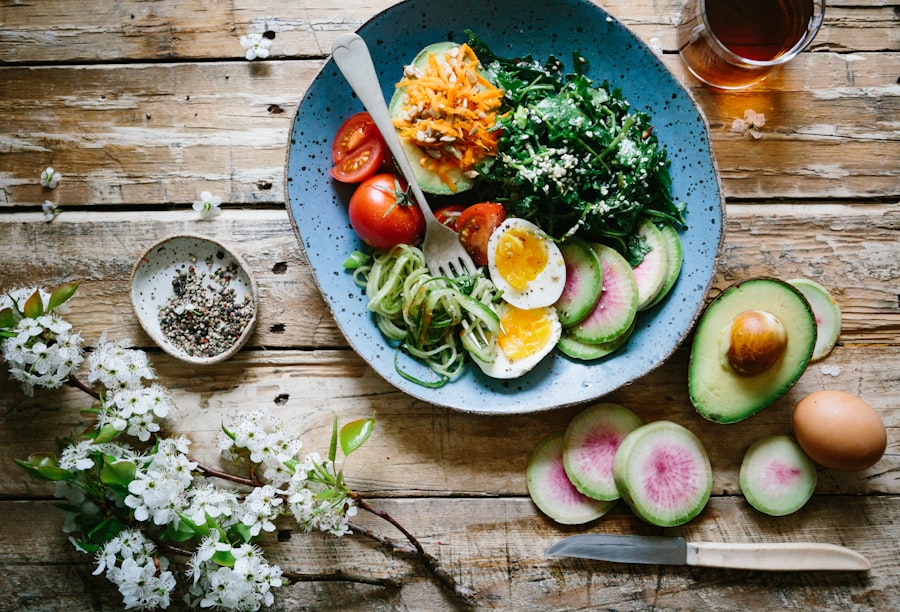
Microbial diversity is one of the strongest markers of gut health — and the best way to increase diversity is to eat a diverse diet. Research from the American Gut Project found that people who ate 30 or more different plant foods per week had significantly more diverse microbiomes than those eating fewer than 10. Each plant food feeds different bacterial species — variety truly is the medicine here.
This doesn’t require eating 30 different plants every day. Counting herbs, spices, nuts, seeds, legumes, grains, vegetables, and fruits — hitting 30 types per week is surprisingly achievable once you’re paying attention to variety.
2. Eat Fermented Foods Daily
Fermented foods contain live beneficial bacteria (probiotics) that directly supplement your gut microbiome. A landmark 2021 Stanford study found that a high-fermented-food diet increased microbiome diversity and reduced inflammatory markers more effectively than a high-fibre diet alone — even in participants who started with low microbial diversity.
| Fermented Food | Key Probiotic Strains | How to Include It |
|---|---|---|
| Plain Greek yogurt | Lactobacillus, Bifidobacterium | Daily as breakfast or snack |
| Kefir | Up to 61 bacterial and yeast strains | Smoothies, on oats, or plain |
| Sauerkraut (unpasteurised) | Leuconostoc, Lactobacillus | 2 tablespoons alongside meals |
| Kimchi | Lactobacillus kimchii and others | As a side dish or condiment |
| Kombucha | SCOBY-derived bacteria and yeasts | Low-sugar varieties as a daily drink |
| Miso, tempeh, tofu | Fermented soy bacteria and fungi | In soups, stir-fries, as a protein source |
3. Feed Your Bacteria With Prebiotic Fibre
Probiotics (live bacteria) need fuel. Prebiotics — specific types of dietary fibre that beneficial bacteria ferment — are that fuel. Without adequate prebiotic intake, even a well-stocked microbiome can’t thrive. The best prebiotic foods include: garlic, onions, leeks, asparagus, Jerusalem artichoke, chicory root, bananas (especially slightly underripe), oats, and legumes.
When gut bacteria ferment prebiotic fibre, they produce short-chain fatty acids (SCFAs) — particularly butyrate — which nourish gut lining cells, reduce intestinal inflammation, strengthen the gut barrier, and cross into the brain where they have direct anti-inflammatory and neuroprotective effects.
4. Manage Stress Actively
The gut-brain axis runs both ways — chronic psychological stress directly disrupts gut microbiome composition, reduces microbial diversity, increases intestinal permeability, and drives gut inflammation. Stress management isn’t just for your mind. It’s gut medicine.
5. Prioritise Sleep
Your gut microbiome has its own circadian rhythm, synchronised with your sleep-wake cycle. Sleep disruption — particularly from inconsistent sleep times — significantly alters microbiome composition within days, reducing populations of beneficial bacteria. Protecting your sleep schedule is directly protective of gut health.
6. Exercise Regularly
Physical activity independently increases gut microbial diversity, promotes beneficial Lactobacillus and Bifidobacterium populations, and increases SCFA production. Even moderate exercise — three to four sessions of 30 minutes per week — produces measurable microbiome improvements within six weeks.

What Disrupts the Gut-Brain Axis
Just as certain habits protect and strengthen the gut-brain connection, others damage it. These are the most significant disruptors:
| Disruptor | How It Damages the Gut-Brain Axis |
|---|---|
| Ultra-processed foods | Emulsifiers and additives disrupt gut lining integrity and reduce microbial diversity within days |
| Antibiotics | Broad-spectrum antibiotics can reduce gut microbial diversity by up to 90% — some disruption persists for months to years after a single course |
| Chronic stress | Cortisol reduces gut barrier integrity, alters motility, and shifts microbiome composition toward dysbiosis |
| Excess alcohol | Damages gut lining, reduces microbial diversity, promotes leaky gut and systemic inflammation |
| Poor sleep / irregular sleep schedule | Disrupts gut circadian rhythm, measurably alters microbiome composition within 48 hours |
| Sedentary lifestyle | Reduces gut motility, lowers SCFA production, reduces microbial diversity over time |
Should You Take Probiotic Supplements?
This is one of the most common questions in gut health — and the honest answer is: it depends.
Probiotic supplements vary enormously in quality, strain selection, CFU count (colony-forming units), and survivability through the gut. The research on probiotic supplementation for general wellness is mixed — some high-quality studies show meaningful benefits, others show minimal effect in already-healthy individuals.
Where probiotic supplementation has the clearest evidence of benefit:
- During and after antibiotic courses — to mitigate microbiome disruption (take probiotics at least two hours apart from antibiotics)
- IBS management — specific strains have shown significant symptom improvement in clinical trials
- Post-illness recovery — to restore microbiome balance after gastroenteritis or prolonged illness
- Anxiety and mood — psychobiotic strains (particularly Lactobacillus helveticus R0052 and Bifidobacterium longum R0175) have shown mood benefits in randomised controlled trials
For most people, food-based probiotics (fermented foods) consumed daily are more effective, more economical, and more sustainable than supplements — because they deliver a broader range of strains alongside the nutrients and fibre that help them survive and thrive in your gut.
If you do supplement, look for: multi-strain formulas, at least 10–50 billion CFU, enteric-coated capsules (for stomach acid survivability), and refrigerated storage. Third-party tested brands are preferable.
⚠️ Note: Probiotic supplements are generally safe for healthy adults but are not appropriate for people who are immunocompromised, critically ill, or have certain gut conditions without medical supervision. If in doubt, consult your doctor before starting probiotic supplements.
✦ Key Takeaways
- The gut-brain axis is a real, bidirectional communication network that directly influences your mood, anxiety, stress response, and mental health.
- Approximately 90–95% of your body’s serotonin is produced in your gut — gut health is neurochemistry.
- Gut dysbiosis drives systemic inflammation, which is directly linked to depression and anxiety.
- Eat 30+ different plant foods per week, include daily fermented foods, and prioritise prebiotic-rich foods to build a diverse, resilient microbiome.
- Sleep, stress management, and regular exercise all directly influence gut microbiome composition.
- Food-based probiotics from fermented foods are generally more effective and sustainable than probiotic supplements for most healthy people.
Frequently Asked Questions
Can poor gut health cause depression and anxiety?
Emerging research suggests that gut dysbiosis is a contributing factor in depression and anxiety for many people — through inflammation, disrupted neurotransmitter production, and HPA axis dysregulation. This doesn’t mean gut health is the only cause of these conditions, which are complex and multifactorial. But it does mean that addressing gut health through diet, sleep, and lifestyle is a valid and potentially powerful component of a comprehensive mental health strategy.
How long does it take to improve gut health?
Measurable shifts in microbiome composition can occur within three to four days of dietary change. Significant improvements in microbial diversity typically take four to six weeks of consistent dietary improvement. More profound reductions in gut inflammation and restoration of gut barrier integrity may take three to six months of sustained effort — but most people notice improvements in energy, digestion, and mood well before that.
What is the best probiotic for mental health?
The best-studied psychobiotic strains for mood and anxiety include Lactobacillus helveticus R0052 and Bifidobacterium longum R0175 (sold in combination as ProbioTic Mood). Lactobacillus rhamnosus JB-1 has also shown anxiety-reducing effects in animal studies, though human evidence is more limited. That said, food-based probiotics — particularly kefir, plain yogurt, and fermented vegetables — provide a broad range of beneficial strains alongside nutrients that support the microbiome environment, making them a strong first choice.
Is leaky gut a real condition?
Increased intestinal permeability — the condition that “leaky gut” attempts to describe — is a real, measurable phenomenon that occurs when tight junctions between gut cells become compromised, allowing bacterial fragments and toxins to enter the bloodstream. It is associated with several conditions including IBS, coeliac disease, inflammatory bowel conditions, and obesity. The term “leaky gut syndrome” as a standalone diagnosis is not widely accepted in mainstream medicine, but increased intestinal permeability as a physiological mechanism is well-established in research.
Should I eat differently if I’m taking antidepressants?
There are no specific dietary restrictions for most antidepressants (with the exception of MAOIs, which require avoiding certain tyramine-rich foods). However, supporting gut health through diet may complement the effects of antidepressants — some research suggests that the gut microbiome influences how individuals respond to SSRIs. Always consult your prescribing doctor before making significant dietary changes if you’re on medication.
Can antibiotics permanently damage the gut microbiome?
A single course of antibiotics can significantly reduce microbiome diversity, and some studies show that full recovery takes months to over a year. However, in most healthy people, the microbiome does recover substantially with a diverse, fibre-rich diet and time. Taking probiotic supplements during and after antibiotic use (at least two hours apart from antibiotic doses), eating fermented foods, and prioritising prebiotic-rich plant foods all support faster recovery.
Evidence-based wellness content to help you feel your best — body and mind. | The Whole You Wellness



Leave a Comment