
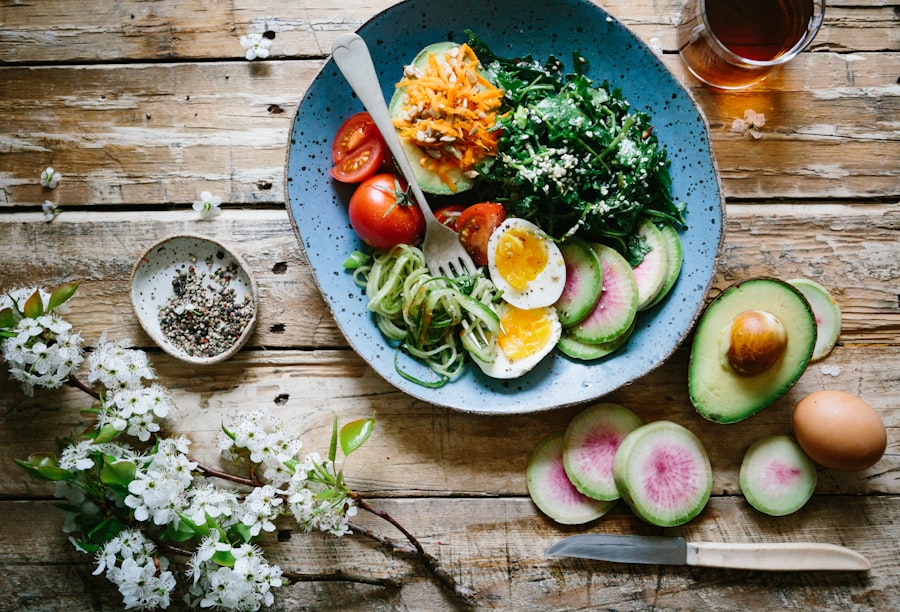

Inflammation is at the root of almost every major chronic disease. The food on your plate is one of the most powerful tools you have to fight it — here’s exactly what to eat, what to avoid, and how to build it into your daily life starting today.
📅 March 30, 2026 | ⏱ 10 min read | 🥗 Nutrition
You’ve probably heard that inflammation is bad. But what does that actually mean — and what can you do about it? The answer starts on your plate.
Chronic low-grade inflammation is now understood to be a driving force behind heart disease, type 2 diabetes, certain cancers, Alzheimer’s disease, autoimmune conditions, and even depression. It’s not a minor inconvenience — it’s a medical priority.
The extraordinary news is that your diet is one of the most powerful modulators of inflammation available — more so than most medications, and with only positive side effects. This guide gives you the complete picture: what inflammation is, which foods fight it most effectively, which foods make it worse, and how to build an anti-inflammatory diet that’s genuinely sustainable.

What Is Inflammation — and When Does It Become a Problem?
Inflammation is not inherently harmful. Acute inflammation is your immune system doing exactly what it’s supposed to do. When you cut your finger, sprain your ankle, or catch a cold, inflammation is the rapid, targeted response that fights pathogens and begins repair. Without it, minor injuries could be life-threatening.
Chronic inflammation is different. It’s a persistent, low-grade immune response simmering for months or years — driven by ultra-processed diets, chronic stress, poor sleep, sedentary behaviour, and gut dysbiosis. Over time this sustained immune activation damages healthy tissue, disrupts hormonal signalling, and creates conditions in which chronic disease develops.
🔬 Science Note: Blood tests for inflammatory markers — particularly hs-CRP, IL-6, and TNF-alpha — can quantify your current inflammation levels. These markers are worth discussing with your doctor alongside dietary and lifestyle changes if you’re concerned about chronic inflammation.
The Top 10 Anti-Inflammatory Foods
These foods have the strongest evidence base for reducing inflammatory markers. They’re not exotic superfoods — they’re accessible, affordable, and delicious.
| Food | Key Anti-Inflammatory Compounds | How to Use It |
|---|---|---|
| 🐟 Fatty fish | EPA and DHA omega-3 fatty acids | 2–3 servings per week, baked, grilled, or tinned |
| 🫐 Berries | Anthocyanins, quercetin, vitamin C | Daily — fresh or frozen with no added sugar |
| 🫒 Extra virgin olive oil | Oleocanthal, oleuropein, polyphenols | Primary cooking fat and salad dressing base |
| 🥬 Leafy greens | Vitamin K, lutein, folate, antioxidants | Minimum 2 cups daily — raw or cooked |
| 🌿 Turmeric | Curcumin | Always pair with black pepper (boosts absorption 2,000%) |
| 🫚 Ginger | Gingerols, shogaols, zingerone | Fresh in teas, stir-fries, smoothies, and dressings |
| 🌰 Walnuts and almonds | Omega-3s, vitamin E, polyphenols | Small handful daily as a snack or topping |
| 🍵 Green tea | EGCG (epigallocatechin gallate), catechins | 2–3 cups daily, brewed fresh |
| 🍅 Tomatoes (cooked) | Lycopene (enhanced by cooking + fat) | Tomato sauce, roasted tomatoes, tomato soup |
| 🍫 Dark chocolate (70%+) | Flavanols, theobromine, magnesium | 1–2 squares daily of high-quality dark chocolate |
Fatty Fish — Salmon, Sardines, Mackerel, Herring
Fatty fish are the gold standard of anti-inflammatory nutrition, rich in EPA and DHA — long-chain omega-3s that directly suppress multiple inflammatory pathways including the COX-2 pathway targeted by anti-inflammatory medications like ibuprofen. Aim for two to three servings per week. Tinned salmon and sardines are affordable, convenient, and retain full omega-3 content.
Berries — Blueberries, Strawberries, Raspberries, Blackberries
Berries contain some of the highest antioxidant concentrations of any food — particularly anthocyanins, the pigments giving them their deep colours. These compounds neutralise free radicals, reduce oxidative stress, and directly inhibit inflammatory signalling pathways. Frozen berries are just as nutritious as fresh and often significantly cheaper — making daily consumption realistic for everyone.
Extra Virgin Olive Oil
EVOO contains oleocanthal — a compound that inhibits the same COX-1 and COX-2 enzymes as ibuprofen. It also contains oleuropein and dozens of other polyphenols that protect the cardiovascular system. Use it generously as your primary cooking fat and in dressings. Choose cold-pressed, extra virgin varieties in dark glass bottles for maximum polyphenol content.
Turmeric
Curcumin inhibits NF-kB — a molecular pathway that activates pro-inflammatory genes. The critical detail: always combine turmeric with black pepper — piperine increases curcumin absorption by up to 2,000%. Adding a fat source further improves it. Golden milk, turmeric-roasted vegetables, and curry dishes are all excellent vehicles.
Green Tea
Green tea contains EGCG — the most potent of the tea catechins — which inhibits inflammatory enzymes, reduces oxidative stress, and modulates immune function. Two to three cups of freshly brewed green tea daily is associated with reduced cardiovascular disease risk, lower inflammatory markers, and improved metabolic health.

Foods That Drive Inflammation (Limit These)
Reducing inflammation isn’t just about adding good foods — it’s equally about removing the foods that actively promote it.
| Pro-Inflammatory Food | Why It’s Harmful | Better Alternative |
|---|---|---|
| Ultra-processed foods | Additives and emulsifiers disrupt gut microbiome and drive systemic inflammation | Whole, minimally processed foods |
| Refined sugars and HFCS | Spike blood glucose, increase AGEs (advanced glycation end-products) that promote inflammation | Fruit, small amounts of honey or maple syrup |
| Refined vegetable oils | High omega-6 content promotes inflammatory pathways when omega-6/omega-3 ratio is too high | Extra virgin olive oil, avocado oil |
| Excess alcohol | Disrupts gut barrier integrity, promotes endotoxin translocation and inflammatory pathways | Kombucha, sparkling water, herbal teas |
| Refined carbohydrates | Rapid digestion causes blood sugar spikes, increases CRP levels | Whole grains, legumes, sweet potatoes, oats |
| Processed meats | Nitrates, AGEs, and saturated fats promote inflammation and increase cancer risk | Unprocessed poultry, fish, legumes, tofu |
⚠️ Important Perspective: The goal is not eliminating every pro-inflammatory food forever. The goal is shifting your dietary pattern so that anti-inflammatory foods dominate and pro-inflammatory foods are occasional rather than daily. Even modest improvements produce measurable reductions in inflammatory markers within weeks.
A Full Day of Anti-Inflammatory Eating
| Meal | What to Eat | Key Anti-Inflammatory Ingredients |
|---|---|---|
| 🌅 Breakfast | Oats with blueberries, walnuts, ground flaxseed, and cinnamon. Green tea. | Berries, walnuts, omega-3 flaxseed, EGCG |
| ☀️ Mid-morning | Dark chocolate (70%+) and a handful of almonds. | Flavanols, vitamin E, polyphenols |
| 🥗 Lunch | Large salad: mixed greens, tinned salmon, cherry tomatoes, avocado, cucumber, pumpkin seeds. Olive oil and lemon dressing. | EPA/DHA, lycopene, oleocanthal, vitamin K |
| 🍵 Afternoon | Turmeric and ginger tea with black pepper. Apple slices. | Curcumin, gingerols, quercetin |
| 🍽️ Dinner | Baked salmon with roasted sweet potato, sautéed spinach with garlic and olive oil, tomato-based lentil stew. | EPA/DHA, lycopene, folate, oleocanthal |
| 🌙 Evening | Chamomile or ginger tea. 1–2 squares of dark chocolate. | Gingerols, flavanols, sleep-supporting compounds |

The Mediterranean Diet Connection
The Mediterranean diet has the strongest evidence base of any dietary pattern for reducing chronic inflammation — and it naturally incorporates almost every food on the anti-inflammatory list above. Key features include abundant vegetables, fruits, whole grains, and legumes; extra virgin olive oil as the primary fat; regular fatty fish; and minimal ultra-processed foods and refined sugars.
The landmark PREDIMED trial showed that adherence to a Mediterranean diet significantly reduces CRP levels, inflammatory cytokines, and the incidence of cardiovascular events, type 2 diabetes, and all-cause mortality.
🌿 Practical Shift: Start with three changes: make extra virgin olive oil your primary fat, add one extra vegetable serving per day, and include fatty fish twice a week. These three changes alone will meaningfully shift your inflammatory status within four to six weeks.
Your Anti-Inflammatory Shopping List
| Category | Items to Buy |
|---|---|
| 🐟 Proteins | Tinned salmon, sardines, fresh salmon fillets, mackerel, eggs, lentils, chickpeas, black beans, tofu |
| 🥬 Vegetables | Spinach, kale, rocket, Swiss chard, broccoli, sweet potato, red bell peppers, cherry tomatoes, red onion, garlic, asparagus |
| 🫐 Fruits | Frozen blueberries, mixed berries, raspberries, avocado, apples, citrus fruits |
| 🌾 Whole grains | Rolled oats, brown rice, quinoa, whole grain bread, buckwheat |
| 🌰 Nuts and seeds | Walnuts, almonds, ground flaxseed, chia seeds, pumpkin seeds |
| 🫒 Fats and oils | Extra virgin olive oil (dark glass bottle), avocado oil |
| 🌿 Herbs and spices | Turmeric, black pepper, fresh ginger, garlic, cinnamon, oregano, rosemary |
| 🍵 Drinks | Green tea, matcha, ginger tea, chamomile tea, filtered water |
✦ Key Takeaways
- Chronic inflammation is a root driver of nearly every major chronic disease — and diet is one of the most powerful tools to reduce it.
- The top 10 anti-inflammatory foods: fatty fish, berries, extra virgin olive oil, leafy greens, turmeric, ginger, walnuts, green tea, tomatoes, and dark chocolate.
- Always pair turmeric with black pepper — it increases curcumin absorption by up to 2,000%.
- Limit ultra-processed foods, refined sugars, refined vegetable oils, excess alcohol, and processed meats.
- The Mediterranean diet has the strongest evidence base for reducing chronic inflammation of any dietary pattern.
- Start with three changes: switch to olive oil, add one extra vegetable serving daily, include fatty fish twice a week.
Frequently Asked Questions
How quickly can diet reduce inflammation?
Measurable reductions in inflammatory markers like CRP can occur within as little as two to four weeks of consistent dietary improvement. Studies on the Mediterranean diet show significant reductions in inflammatory markers within four to six weeks. The body is remarkably responsive to dietary change.
Is turmeric better as a supplement or in food?
Both can be effective. Culinary turmeric used daily with black pepper and a fat source is an excellent sustainable habit. Curcumin supplements (more concentrated) have produced strong results in clinical trials for specific inflammatory conditions. For general wellness, culinary use is a great foundation. Always consult your doctor before high-dose curcumin supplements, particularly if you take blood thinners.
Are anti-inflammatory diets effective for arthritis?
Yes — there is strong evidence that anti-inflammatory dietary patterns, particularly the Mediterranean diet, reduce pain and improve functional outcomes in both osteoarthritis and rheumatoid arthritis. Omega-3 fatty acids from fatty fish have the strongest individual evidence base for reducing joint inflammation. Diet should be used alongside, not instead of, medical treatment.
Can I take omega-3 supplements instead of eating fish?
Yes — high-quality fish oil or algae-based omega-3 supplements are a valid alternative. Look for supplements providing at least 1–2g combined EPA and DHA per day in triglyceride form (better absorbed). Algae-based omega-3s are ideal for vegetarians and vegans — they’re the same source fish use.
Does cooking destroy anti-inflammatory properties?
It depends on the food and method. Gentle cooking (steaming, light sautéing, baking) preserves most nutrients. High-heat cooking can reduce some heat-sensitive compounds. Notably, cooking increases lycopene availability in tomatoes. Include both raw and cooked foods for maximum benefit.
Evidence-based wellness content to help you feel your best — body and mind. | The Whole You Wellness

Leave a Comment