
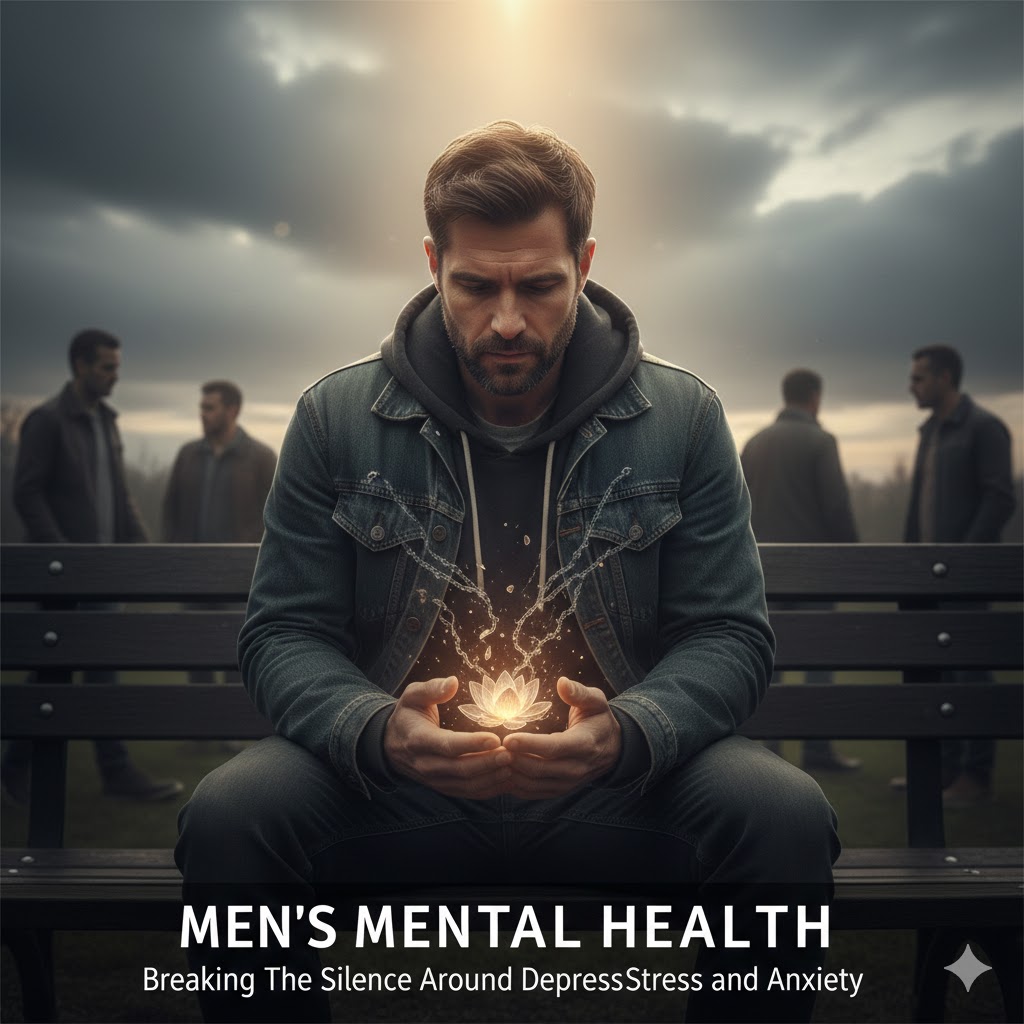

You’re struggling. Maybe you’re irritable and angry for no clear reason. Perhaps you’re drinking more, working obsessively, or withdrawing from people who care about you. You’re not sleeping well, you’ve lost interest in things you used to enjoy, and underneath it all, you feel empty, hopeless, or overwhelmed. But you haven’t told anyone. You push through, telling yourself to “man up,” “get over it,” or that “real men don’t have these problems.”
This silence is killing men—literally. In South Africa and globally, men are significantly less likely than women to seek help for mental health problems, yet they die by suicide at much higher rates. The cultural messages many men receive from childhood—that showing emotion is weakness, that you must be strong and self-reliant, that asking for help is failure—create a toxic silence around male mental health.
It’s time to break that silence. Depression and anxiety don’t discriminate by gender. Being a man doesn’t protect you from mental health struggles, and suffering in silence doesn’t make you strong—it makes you isolated and unwell. Understanding how mental health manifests in men, the barriers to seeking help, and the paths forward can quite literally save your life or the life of someone you care about.
The State of Men’s Mental Health
The Statistics Are Stark
In South Africa:
- Men account for approximately 80% of suicide deaths
- Men are far less likely to seek mental health treatment despite similar or higher rates of depression
- Substance abuse, which often masks underlying depression or anxiety, is significantly higher among men
- Men with mental health issues are more likely to end up in the criminal justice system rather than getting treatment
Globally, similar patterns exist:
- Men represent about 75% of suicide deaths worldwide
- Depression in men is often undiagnosed and untreated
- Men seek help only after problems become severe or crisis-level
These statistics don’t reflect that men are biologically more vulnerable to mental illness—rather, they show how cultural factors prevent men from recognizing and addressing mental health struggles.
Why the Silence?
Traditional masculinity norms: Cultural messages about what it means to be a man create powerful barriers:
- Real men are strong and self-reliant
- Showing emotion (other than anger) is weakness
- Asking for help is admitting failure
- You should be able to handle problems on your own
- Vulnerability means you’re not masculine enough
In South African context, these messages are often amplified by cultural values emphasizing male strength, the provider role, and stoicism.
Stigma: Fear of judgment—from other men, from women, from family—keeps many men silent about their struggles.
Lack of emotional vocabulary: Many men weren’t taught to identify or express emotions beyond basic categories. When you can’t name what you’re feeling, it’s hard to communicate that something’s wrong.
Healthcare system barriers: Mental health services are often not designed with men’s needs in mind, and many men feel uncomfortable in these settings.
How Mental Health Shows Up Differently in Men
Depression and anxiety don’t always look the same in men as the “textbook” presentations, which were often based on female experiences.
Masked or Atypical Depression in Men
While women with depression typically show:
- Sadness, crying, expressing feelings of worthlessness
- Internalizing symptoms (self-blame, withdrawal)
Men with depression may instead show:
- Irritability and anger: Feeling constantly on edge, snapping at people, having a short fuse
- Aggression: Physical or verbal aggression, road rage, conflict-seeking
- Risk-taking behaviors: Reckless driving, dangerous activities, gambling
- Substance use: Drinking excessively, using drugs to cope
- Workaholism: Throwing themselves into work to avoid feelings
- Physical symptoms: Focusing on physical complaints (headaches, back pain, digestive issues) rather than emotional distress
Traditional depression screening tools often miss these presentations, leading to underdiagnosis.
Male-Pattern Anxiety
Men experiencing anxiety may not report feeling “anxious” but instead might describe:
- Physical restlessness or tension
- Irritability or anger
- Hyperactivity or compulsive busyness
- Difficulty relaxing or sitting still
- Hypervigilance or constant scanning for threats
- Competitive drive or aggressive behavior
The Performance Pressure Connection
Many men tie their self-worth heavily to performance—at work, sexually, financially, as providers. When performance falters in any area, it can trigger profound shame and mental health struggles that feel too threatening to acknowledge.
Work and provider stress: In South African context where unemployment is high and being a provider is culturally emphasized, inability to find work or provide for family can trigger depression.
Sexual performance anxiety: Anxiety about sexual performance can both cause and result from mental health issues, creating a shame cycle that prevents seeking help.
Physical performance: For men who’ve built identity around physical strength or athletic ability, injuries or aging can trigger depression.
Common Mental Health Struggles Men Face
Depression
Male depression often involves:
- Persistent anger or irritability
- Feeling empty or numb rather than sad
- Loss of interest in work, hobbies, sex
- Sleep disturbances (especially insomnia)
- Physical symptoms (pain, digestive issues, fatigue)
- Escapist behaviors (excessive work, gaming, sports, alcohol)
- Risky or self-destructive behaviors
- Thoughts of death or suicide
Key sign: If you’re behaving differently than usual—more irritable, drinking more, withdrawing, taking risks—consider whether depression might underlie these changes.
Anxiety
Male anxiety may manifest as:
- Physical tension and restlessness
- Constant worry about performance (work, finances, relationships)
- Irritability when stressed
- Difficulty relaxing or “switching off”
- Need for control
- Avoidance of situations that trigger anxiety
- Panic attacks (which men may interpret as heart problems)
Substance Abuse
Men are more likely to self-medicate depression and anxiety with alcohol or drugs. In South Africa, drinking culture among men can normalize excessive alcohol use, masking underlying mental health problems.
Warning signs:
- Drinking increasing amounts or more frequently
- Using alcohol to cope with stress or difficult emotions
- Getting defensive when drinking is mentioned
- Continuing despite negative consequences
- Using drugs to manage mood or stress
PTSD and Trauma
Men may be less likely to recognize trauma responses or seek help for PTSD. In South Africa, exposure to violence, crime, or military service can create trauma that goes unaddressed.
Masculine norms may frame trauma responses as weakness rather than normal reactions to abnormal events.
Anger Issues
Chronic anger is often masking depression, anxiety, or trauma. If you’re constantly irritable, having angry outbursts, or feeling like you might explode, underlying mental health issues may be present.
Specific Contexts for Men in South Africa
Economic Pressure and Unemployment
With unemployment around 32%, many South African men face intense pressure and shame around their provider role. Inability to find work or provide for family can trigger profound depression.
The cultural expectation to be the breadwinner, often extended to supporting extended family, creates immense pressure. Failure or struggling in this role can feel like fundamental failure as a man.
Crime and Violence Exposure
High crime rates mean many South African men have directly experienced or witnessed violence. This trauma often goes unprocessed, manifesting as hypervigilance, anger, substance use, or PTSD symptoms.
The expectation to be protector of family creates additional pressure, and experiencing victimization can challenge masculine identity.
Cultural and Generational Factors
Traditional African masculinity: In many African cultures, showing emotion or admitting vulnerability conflicts with masculine ideals. The strong, stoic provider image leaves little room for acknowledging mental health struggles.
Generational differences: Older generations of men often had even stricter masculine norms. Younger men may be more open but still face significant barriers.
Religious and spiritual frameworks: Some men find mental health support through faith communities, while others face stigma if their community views mental illness as spiritual weakness.
Relationship Expectations
Pressure to be the strong, unemotional rock in relationships can prevent men from expressing vulnerability or needs. When relationships fail, men may lack the support systems women often have and may isolate rather than seeking help.
The Cost of Silence
Health Consequences
Untreated mental health problems contribute to:
- Cardiovascular disease (stress, depression linked to heart problems)
- Weakened immune function
- Chronic pain
- Substance dependence
- Shorter life expectancy
Relationship Damage
Untreated depression and anxiety strain relationships. Partners and children bear the impact of anger, withdrawal, or substance use. Divorce rates are higher when mental health issues go unaddressed.
Work and Financial Impact
Depression and anxiety impair concentration, decision-making, and productivity. Absenteeism, job loss, or poor performance create financial stress that worsens mental health.
Suicide Risk
The most devastating consequence: Men with untreated depression are at significantly elevated risk for suicide. In South Africa, suicide rates among men are particularly high.
Warning signs include:
- Talking about death or suicide
- Researching suicide methods
- Giving away possessions
- Saying goodbye to people
- Sudden calm after depression (often indicates a decision has been made)
- Increased substance use
- Increased risk-taking
- Withdrawing from everyone
If you or someone you know shows these signs, seek immediate help. Call SADAG (0800 567 567) or Lifeline (0861 322 322).
Breaking Through: Paths to Help
Recognizing You Need Help
Signs it’s time to seek help:
- Changes in behavior, mood, or personality that concern you or others
- Using alcohol or substances to cope
- Relationship, work, or family problems related to your mood or behavior
- Persistent physical symptoms without medical explanation
- Thoughts of death or suicide
- Feeling unable to cope or overwhelmed
Overcoming Barriers to Seeking Help
Reframe strength: Real strength includes knowing when you need help. Taking action to address problems is masculine—suffering in silence isn’t.
Normalize mental health: Athletes, soldiers, business leaders all struggle with mental health. It’s human, not weak.
Start small: You don’t have to pour out your soul immediately. Start with seeing a doctor, calling a helpline, or talking to one trusted person.
Choose the right person: Find a therapist or support person you’re comfortable with. Many men prefer male therapists, others don’t—what matters is that you feel comfortable.
Frame it practically: If thinking about it as “mental health” feels uncomfortable, frame it as problem-solving, performance optimization, or stress management.
Treatment Options
Therapy: Effective therapies for depression and anxiety include:
- Cognitive Behavioral Therapy (CBT): Practical, solution-focused approach many men appreciate
- Problem-solving therapy: Focuses on developing concrete strategies
- Men’s groups: Group therapy specifically for men can reduce isolation
- Couples or family therapy: If relationships are affected
Medication: Antidepressants and anti-anxiety medications can be very effective, especially for moderate to severe depression. They don’t change who you are—they address chemical imbalances.
Lifestyle approaches:
- Exercise: Powerfully effective for depression and anxiety
- Sleep improvement
- Reducing substance use
- Stress management
- Social connection
Peer support: Men’s mental health groups, online forums, or support groups provide connection with others who understand.
Finding Help in South Africa
SADAG (0800 567 567): Free counseling and referrals to mental health professionals
Your GP: General practitioners can screen for depression, prescribe medication if needed, and provide referrals
Employee Assistance Programs: Many companies offer free, confidential counseling
Private psychologists/psychiatrists: Medical aids typically cover limited sessions
Community health centers: Free or low-cost services, though often limited
Online therapy: Increasingly available and may feel more accessible
Crisis helplines:
- Suicide Crisis Line: 0800 567 567
- Lifeline: 0861 322 322
For Partners, Family, and Friends
If someone you care about is struggling:
How to Help
Express concern without judgment: “I’ve noticed you seem different lately. Are you okay?” rather than “What’s wrong with you?”
Listen without trying to fix: Let them talk without immediately offering solutions.
Normalize seeking help: Share that many people struggle, treatment works, seeking help is strong.
Offer practical support: Offer to help find a therapist, go with them to appointments, help with tasks they’re overwhelmed by.
Be patient: Recovery takes time. Your continued presence matters.
Take care of yourself: Supporting someone with mental health issues is demanding. Maintain your own support and self-care.
What Not to Do
Don’t minimize: “Just get over it,” “Others have it worse,” “Man up”—these statements shut down communication.
Don’t make it about weakness: Framing mental health struggles as weakness reinforces the problem.
Don’t assume you know best: Even with good intentions, telling someone what they should do can backfire.
Don’t ignore warning signs: If you’re concerned about suicide risk, take it seriously and seek help.
Building Emotional Skills
Many men lack practice with emotional awareness and expression. These skills can be developed:
Identify emotions: Practice naming what you’re feeling beyond “fine,” “stressed,” or “pissed off.” Expand vocabulary: frustrated, anxious, disappointed, overwhelmed, hurt, lonely.
Connect physical sensations to emotions: Notice where you feel emotions in your body. Tight chest might be anxiety. Heavy feeling might be sadness.
Express feelings: Start small—with a therapist, trusted friend, partner, or even journaling.
Challenge internalized beliefs: Question messages about masculinity and emotion. Where did these beliefs come from? Are they serving you?
Creating Cultural Change
Individual men seeking help is crucial, but broader cultural change is also needed:
Talk about mental health: When men openly discuss their struggles, it normalizes these experiences.
Challenge harmful masculine norms: Question the idea that showing emotion or seeking help is weakness.
Support other men: Check in on friends. Create spaces where men can be vulnerable.
Model healthy help-seeking: If you’re getting treatment, sharing this (when appropriate) shows others it’s okay.
Educate younger males: Teach boys that all emotions are normal, asking for help is strength, and their worth isn’t tied only to performance.
Moving Forward
You are not your struggle. Depression, anxiety, trauma—these are conditions you’re experiencing, not who you are. They don’t reflect weakness, failure, or inadequacy. They’re human experiences affecting millions.
Seeking help doesn’t diminish your masculinity—it demonstrates self-awareness, courage, and commitment to yourself and those who depend on you. The bravest thing you can do is acknowledge when you’re struggling and take steps to address it.
Recovery is possible. Effective treatments exist. You don’t have to suffer alone.
To any man reading this who’s struggling: You matter. Your pain is real. Help is available. Reaching out is strength.
If you’re struggling and need support:
- SADAG: 0800 567 567 (24/7)
- Suicide Crisis Line: 0800 567 567
- Lifeline: 0861 322 322
- Your doctor or local mental health services
For immediate crisis: Go to your nearest hospital emergency department
You don’t have to face this alone. Asking for help is the first step toward feeling better.



Leave a Comment