


You’re in a relationship with someone who cares about you, yet you constantly worry they’ll leave. Every text message is analyzed for hidden meaning. A slight change in their tone triggers panic that something’s wrong. You find yourself seeking constant reassurance that they still love you, or alternatively, pushing them away before they can hurt you. What should feel safe and comforting instead feels terrifying and uncertain.
Or perhaps your anxiety focuses on the relationship itself rather than your partner. You obsessively question whether they’re “the one,” whether you love them enough, whether the relationship is right, analyzing every feeling and comparing your relationship to others until you’re paralyzed with doubt.
This is relationship anxiety—a pattern of worry, doubt, and fear that undermines your ability to feel secure and present in romantic relationships. While it’s normal to occasionally worry about relationships, relationship anxiety is persistent, excessive, and significantly impacts your wellbeing and the health of your partnerships.
Understanding relationship anxiety—what it is, where it comes from, and how to manage it—can help you build the secure, satisfying relationships you deserve.
What Is Relationship Anxiety?
Relationship anxiety involves persistent worry, doubt, and insecurity about romantic relationships. It can manifest in several ways:
Anxiety about your partner: Constant worry that your partner will leave you, stop loving you, cheat on you, or realize you’re not good enough for them.
Anxiety about the relationship: Obsessive questioning about whether the relationship is right, whether you love your partner enough, whether they’re “the one,” or whether you should be with someone else.
Anxiety about yourself: Deep insecurity about your worthiness of love, fear that your flaws will be discovered, or belief that you’re fundamentally unlovable.
Anxiety about intimacy: Fear of becoming too close, vulnerable, or dependent on someone, leading to self-sabotaging behaviors that maintain distance.
Relationship anxiety exists on a spectrum. Some people experience it only in new relationships or during stressful periods. Others struggle with it throughout all their relationships, regardless of how loving and secure the partnership actually is.
Common Manifestations of Relationship Anxiety
Constant Need for Reassurance
You frequently ask your partner if they still love you, if they’re happy, if everything is okay. Each time they reassure you, you feel better temporarily, but soon the doubt returns and you need reassurance again. This cycle can exhaust both you and your partner.
You might ask directly (“Do you still love me?”) or indirectly (“You seem quiet—is something wrong?”). The reassurance-seeking might extend to analyzing their behavior for signs of love or commitment.
Catastrophizing Small Issues
Minor disagreements feel like relationship-ending events. If your partner seems distracted or tired, you immediately assume they’re losing interest. A canceled plan becomes evidence they don’t prioritize you. You interpret neutral behaviors as signs of impending abandonment.
This catastrophizing creates intense emotional reactions to small issues, making it difficult to maintain perspective or resolve conflicts constructively.
Hypervigilance and Monitoring
You constantly watch for signs that something is wrong—changes in their texting patterns, how often they say “I love you,” their mood, their interest in intimacy. You might check their social media obsessively, monitor their location, or scrutinize their interactions with others.
This hypervigilance is exhausting and creates an atmosphere of mistrust, even when your partner has given you no reason to doubt them.
Testing the Relationship
You might unconsciously (or consciously) test your partner’s commitment by creating conflicts, pushing them away, or behaving in ways that challenge their patience—essentially asking, “Will you stay even if I’m difficult?”
These tests often backfire, creating the very rejection you fear by straining the relationship unnecessarily.
Comparison and Doubt
You constantly compare your relationship to others, wondering if other couples are happier, more compatible, or more in love. You analyze your feelings obsessively, questioning whether you feel the “right” way or love your partner “enough.”
This comparison and rumination prevent you from being present and appreciating your actual relationship.
Preemptive Withdrawal or Sabotage
Fearing eventual hurt or abandonment, you emotionally withdraw or sabotage the relationship before your partner can leave you. This might manifest as picking fights, being emotionally distant, or ending the relationship just as it’s deepening.
The logic is “If I leave first, I control the pain and avoid being abandoned,” but it prevents you from experiencing secure, lasting love.
Physical Symptoms
Relationship anxiety can cause physical symptoms: racing heart when thinking about the relationship, upset stomach before seeing your partner or during conflicts, difficulty sleeping due to relationship worries, muscle tension, or panic attack symptoms during relationship stress.
Types of Relationship Anxiety
Anxious Attachment Pattern
If you have an anxious attachment style (developed in childhood), you likely fear abandonment and crave closeness while simultaneously worrying it will be taken away. You might become preoccupied with the relationship, need frequent contact and reassurance, feel incomplete without a partner, or sacrifice your own needs to maintain the relationship.
This pattern often develops when early caregivers were inconsistent—sometimes responsive and loving, sometimes distant or unavailable. You learned that love is unpredictable and that you must work hard to maintain it.
Avoidant Attachment Pattern
If you have an avoidant attachment style, you might fear intimacy and value independence highly, feel uncomfortable with emotional closeness, dismiss the importance of relationships (while still desiring them), or struggle to trust and depend on others.
This pattern often develops when early caregivers were emotionally unavailable or dismissive of emotional needs. You learned that depending on others leads to disappointment, so maintaining distance feels safer.
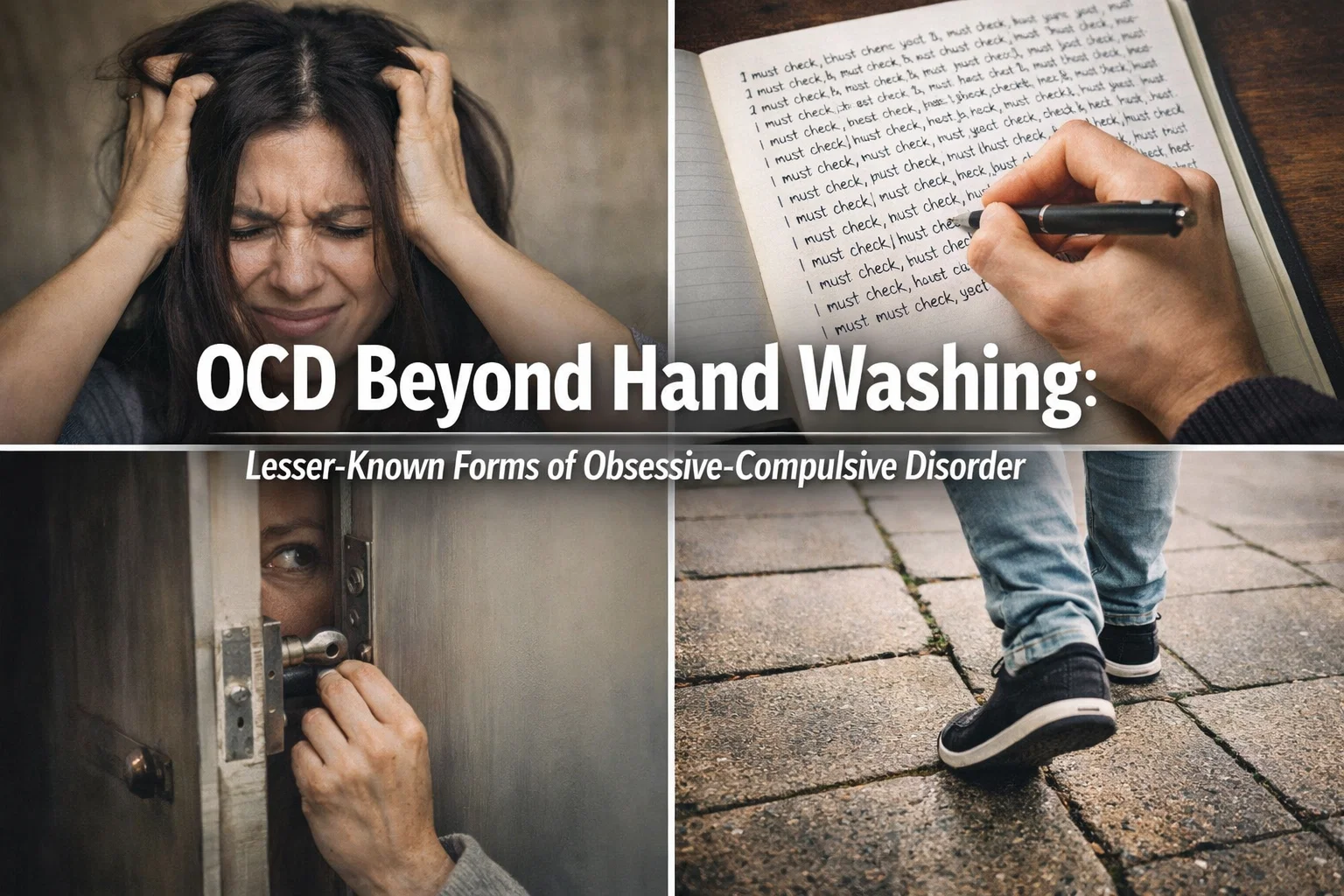
Relationship OCD (ROCD)
This is a form of OCD focused on relationships, involving obsessive doubts about the relationship or partner that trigger compulsive behaviors aimed at reducing anxiety.
Partner-focused ROCD: Obsessive focus on perceived flaws in your partner—their appearance, intelligence, personality, or compatibility. Despite their qualities, you fixate on what’s “wrong” with them.
Relationship-focused ROCD: Obsessive doubt about whether you truly love your partner, whether the relationship is right, whether they’re “the one.” You analyze your feelings constantly, compare to other relationships, and search for certainty about your emotions.
Compulsions might include seeking reassurance, mentally reviewing feelings or the relationship, comparing your partner to others, researching “how to know if you’re in love,” or avoiding situations that trigger doubts.
Unlike typical relationship concerns, ROCD doubts are intrusive, unwanted, and out of character. People with ROCD often have loving, compatible partnerships but are tormented by doubts that don’t align with their actual feelings or the relationship quality.
Performance Anxiety
Anxiety about your performance in the relationship—as a partner, sexually, socially with their friends and family. Fear of not measuring up or being “enough” creates pressure that undermines spontaneity and enjoyment.
Causes and Contributing Factors
Childhood and Attachment History
Your early relationships with caregivers create templates for how you approach adult romantic relationships.
Inconsistent caregiving: Parents who were sometimes responsive and sometimes unavailable taught you that love is unpredictable, creating anxious monitoring for signs of withdrawal.
Neglectful or emotionally unavailable parents: If your needs were consistently unmet, you might believe you’re unworthy of love or that depending on others is dangerous.
Trauma or abuse: Early traumatic experiences can create deep fear of vulnerability and difficulty trusting others.
Witnessing unhealthy relationships: Observing parents in conflictual, unstable, or abusive relationships shapes your expectations and fears about partnerships.
Previous Relationship Experiences
Past betrayal or abandonment: Being cheated on, suddenly broken up with, or abandoned in previous relationships can create lasting fear that it will happen again.
Pattern of unstable relationships: Multiple relationship failures can erode confidence in your ability to maintain healthy partnerships.
Trauma from past relationships: Abusive or highly controlling relationships can leave lasting effects on how you approach intimacy and trust.
Personal Mental Health
Generalized anxiety disorder: If you have GAD, relationship worries might be one of many anxiety focuses, with the same excessive worry patterns applied to your partnership.
Depression: Low self-esteem and hopelessness associated with depression can fuel relationship insecurity.
OCD: As mentioned, ROCD specifically focuses obsessive-compulsive patterns on relationship doubts.
Social anxiety: Fear of judgment can extend to your partner, creating anxiety about their perception of you.
Cultural and Social Factors in South Africa
Gender expectations: Traditional gender roles and expectations about relationships can create pressure and anxiety about meeting cultural standards.
Economic stress: Financial instability and pressure to provide can strain relationships and create anxiety about being an adequate partner.
Lobola and marriage expectations: Cultural practices around marriage can create pressure and anxiety, particularly if partners come from different cultural backgrounds.
Extended family involvement: In many South African families, relationships involve extended family significantly, which can create additional pressure and areas for anxiety.
HIV/AIDS prevalence: The reality of HIV/AIDS in South Africa can create anxiety around trust, testing, and sexual intimacy in new relationships.
The Impact of Relationship Anxiety
On You
Constant distress: Living with ongoing worry and doubt is emotionally exhausting and prevents you from enjoying your relationship.
Physical health effects: Chronic anxiety affects sleep, immune function, and overall health.
Missed opportunities for connection: Anxiety prevents you from being fully present with your partner, causing you to miss moments of intimacy and joy.
Self-fulfilling prophecies: Your anxious behaviors (testing, withdrawal, constant reassurance-seeking) can create the very problems you fear, pushing partners away or creating conflict.
Difficulty maintaining relationships: Relationship anxiety can make it hard to move past the early stages of relationships or can lead to a pattern of ending relationships prematurely.
On Your Partner
Exhaustion from reassurance: Constantly reassuring you can be draining, especially when reassurance is never enough.
Feeling distrusted: Being monitored or questioned can make partners feel like they’re not trusted, even when they’ve been faithful and committed.
Walking on eggshells: Partners may become overly careful about what they say or do, fearing it will trigger your anxiety.
Frustration and hurt: They may feel hurt that their love and commitment isn’t enough to make you feel secure.
Their own anxiety: Your anxiety can become contagious, making your partner anxious about the relationship too.
On the Relationship
Communication breakdown: Anxiety-driven conflicts and miscommunication can prevent honest, open dialogue.
Reduced intimacy: Fear of vulnerability prevents deep emotional and sometimes physical intimacy.
Relationship stagnation: Anxiety can prevent natural relationship progression—moving in together, getting engaged, having children—because transitions trigger intense anxiety.
Cycle of conflict: Anxiety leads to conflict, which increases anxiety, which leads to more conflict.
Managing Relationship Anxiety
Individual Strategies
Recognize the pattern: The first step is recognizing that anxiety, not reality, is driving your thoughts and behaviors. When you feel anxious about the relationship, ask: “Is this based on what’s actually happening, or is this my anxiety talking?”
Challenge catastrophic thoughts: When you think “They’re going to leave me” or “This relationship is doomed,” examine the evidence. What concrete evidence supports this fear? What evidence contradicts it? Often, the evidence against your fears far outweighs the evidence supporting them.
Differentiate past from present: Your current partner is not your ex. Your current relationship is not your parents’ relationship. Practice recognizing when you’re responding to past pain rather than present reality.
Practice mindfulness: When anxiety arises, ground yourself in the present moment. What’s actually happening right now? Often, in the present moment, you’re safe and the relationship is fine—the anxiety is about imagined futures.
Self-soothe without seeking reassurance: When you feel the urge to ask for reassurance, practice self-soothing instead. Remind yourself of evidence that your partner loves you, engage in calming activities, or distract yourself with something engaging.
Develop self-worth independent of the relationship: Build confidence through achievements, hobbies, friendships, and self-care that exist outside the relationship. Your worth isn’t determined by whether someone loves you.
Maintain your individual identity: Keep your own interests, friendships, and pursuits. Enmeshment (losing yourself in the relationship) often increases anxiety.
Journal about patterns: Write about your anxious thoughts and the situations that trigger them. Over time, you’ll recognize patterns that help you understand and manage your anxiety.
Communication Strategies
Be honest about your anxiety: Share with your partner that you experience relationship anxiety. Explain that it’s about your anxiety, not about them or their behavior. This helps them understand what’s happening and reduces the likelihood they’ll take it personally.
Ask for support, not reassurance: Instead of “Do you still love me?” try “I’m feeling insecure right now. Can we spend some time together?” This addresses your need for connection without creating the reassurance cycle.
Take responsibility: Own your anxiety rather than making it your partner’s problem to fix. “I’m feeling anxious about us” rather than “You’re making me feel insecure by…”
Express needs clearly: Instead of testing or expecting your partner to read your mind, clearly communicate what you need: “I’d love to hear from you during the day” or “Physical affection helps me feel connected.”
Avoid conflict during peak anxiety: When your anxiety is high, you’re likely to misinterpret things and create unnecessary conflict. Take space to calm down before discussing concerns.
Establish relationship check-ins: Schedule regular times (weekly or monthly) to discuss the relationship openly. This provides a structured time for concerns without constant relationship analysis.
Therapy and Professional Help
Individual therapy: Working with a therapist can help you understand the roots of your relationship anxiety, develop coping strategies, and heal attachment wounds.
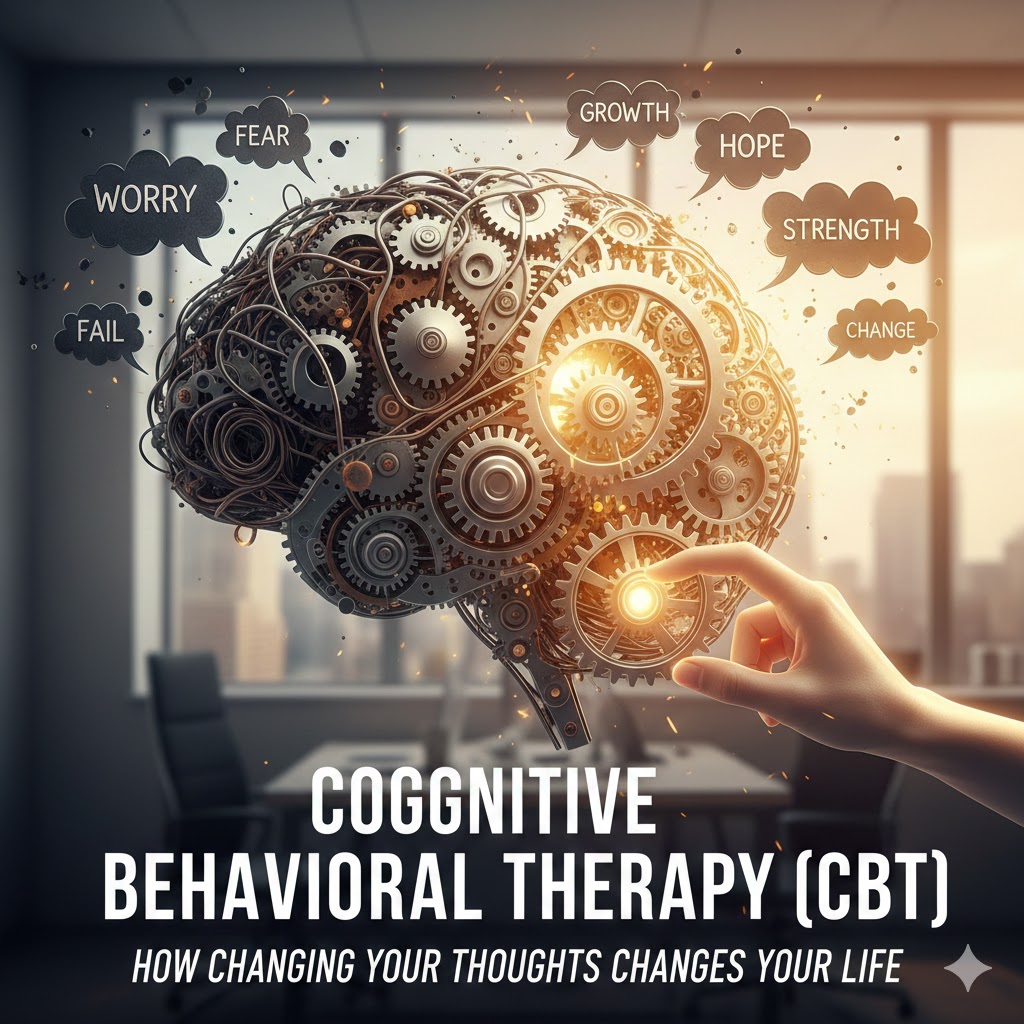
Cognitive Behavioral Therapy (CBT): Helps identify and change anxious thought patterns and behaviors.
Schema therapy: Addresses deep-seated patterns from childhood affecting current relationships.
Attachment-based therapy: Specifically focuses on healing insecure attachment patterns.
EMDR (Eye Movement Desensitization and Reprocessing): Can help process trauma from past relationships or childhood.
Couples therapy: If relationship anxiety is affecting your partnership significantly, couples therapy can help both partners understand the anxiety and work together to manage it.
Medication: For severe anxiety, medication might help reduce symptoms while you work on underlying patterns in therapy.
For Avoidant Patterns Specifically
If you struggle more with avoidance and fear of intimacy:
Practice gradual vulnerability: Share small things about yourself and notice that it’s safe. Gradually increase emotional sharing.
Challenge beliefs about independence: Examine whether “I don’t need anyone” protects you from hurt but also prevents meaningful connection.
Stay through discomfort: When intimacy feels uncomfortable, practice staying instead of withdrawing. The discomfort often passes.
Communicate about your need for space: Instead of distancing without explanation, let your partner know you need alone time to recharge, reassuring them it’s not about the relationship.
Building Secure Attachment
While your attachment style was formed in childhood, it’s not fixed. You can develop earned secure attachment through:
Conscious awareness: Recognize your patterns and choose different responses.
Corrective experiences: Healthy relationships that provide consistent love can gradually heal insecure attachment.
Self-compassion: Treat yourself with kindness as you work on changing patterns.
Therapy: Professional support specifically targeting attachment patterns.
Patience: Changing deeply ingrained patterns takes time. Progress isn’t linear.
For Partners of People with Relationship Anxiety
If your partner struggles with relationship anxiety:
Understand it’s not about you: Their anxiety likely predates your relationship and isn’t caused by anything you’ve done.
Be consistent and reliable: Consistency helps build trust and security over time.
Set healthy boundaries: You can be supportive without enabling unhealthy patterns. It’s okay to limit reassurance-seeking if it’s becoming excessive.
Encourage professional help: Gently suggest therapy if anxiety is significantly impacting the relationship.
Take care of yourself: Supporting someone with anxiety can be draining. Maintain your own self-care and support system.
Communicate openly: Share how the anxiety affects you, but frame it compassionately rather than critically.
Recognize when it’s too much: If the relationship is consistently more draining than fulfilling, or if you’re sacrificing your wellbeing, it’s okay to recognize the relationship may not be healthy for you.
Relationship Anxiety vs. Legitimate Concerns
It’s important to distinguish between anxiety and genuine relationship problems:
Relationship anxiety is disproportionate to reality, persists despite evidence to the contrary, is driven by catastrophic thinking about uncertain futures, focuses on imagined rather than actual problems, and improves with anxiety management strategies.
Legitimate concerns are based on actual partner behaviors (dishonesty, disrespect, incompatibility), are specific and concrete, don’t improve with anxiety management alone, and are validated by trusted friends or therapists.
If you’re unsure, therapy can help you gain clarity about whether you’re dealing with anxiety or genuine relationship problems.
Moving Forward: Building Secure Love
Relationship anxiety doesn’t have to define your romantic life. With self-awareness, appropriate help, and consistent practice of healthier patterns, you can develop more secure ways of relating.
This work involves:
- Understanding where your anxiety comes from without letting it control you
- Challenging anxious thoughts while acknowledging your feelings
- Communicating openly about your needs and fears
- Choosing partners who are emotionally available and responsive
- Building self-worth that doesn’t depend on relationship status
- Practicing vulnerability despite fear
- Developing tolerance for uncertainty and imperfection
The goal isn’t to eliminate all relationship anxiety—some anxiety about things that matter to us is normal. The goal is to reduce anxiety to manageable levels that don’t prevent you from building the loving, secure relationships you deserve.
You are worthy of love. Your anxiety makes relationships harder, but it doesn’t make you unlovable. With patience, self-compassion, and the right support, you can create relationships characterized by security, trust, and genuine intimacy.
If relationship anxiety is severely impacting your life, or if you’re experiencing depression or thoughts of self-harm, please reach out for help:
- SADAG: 0800 567 567
- Consider working with a therapist who specializes in anxiety and relationships
Healthy, secure love is possible. Don’t give up on it or yourself.

Leave a Comment