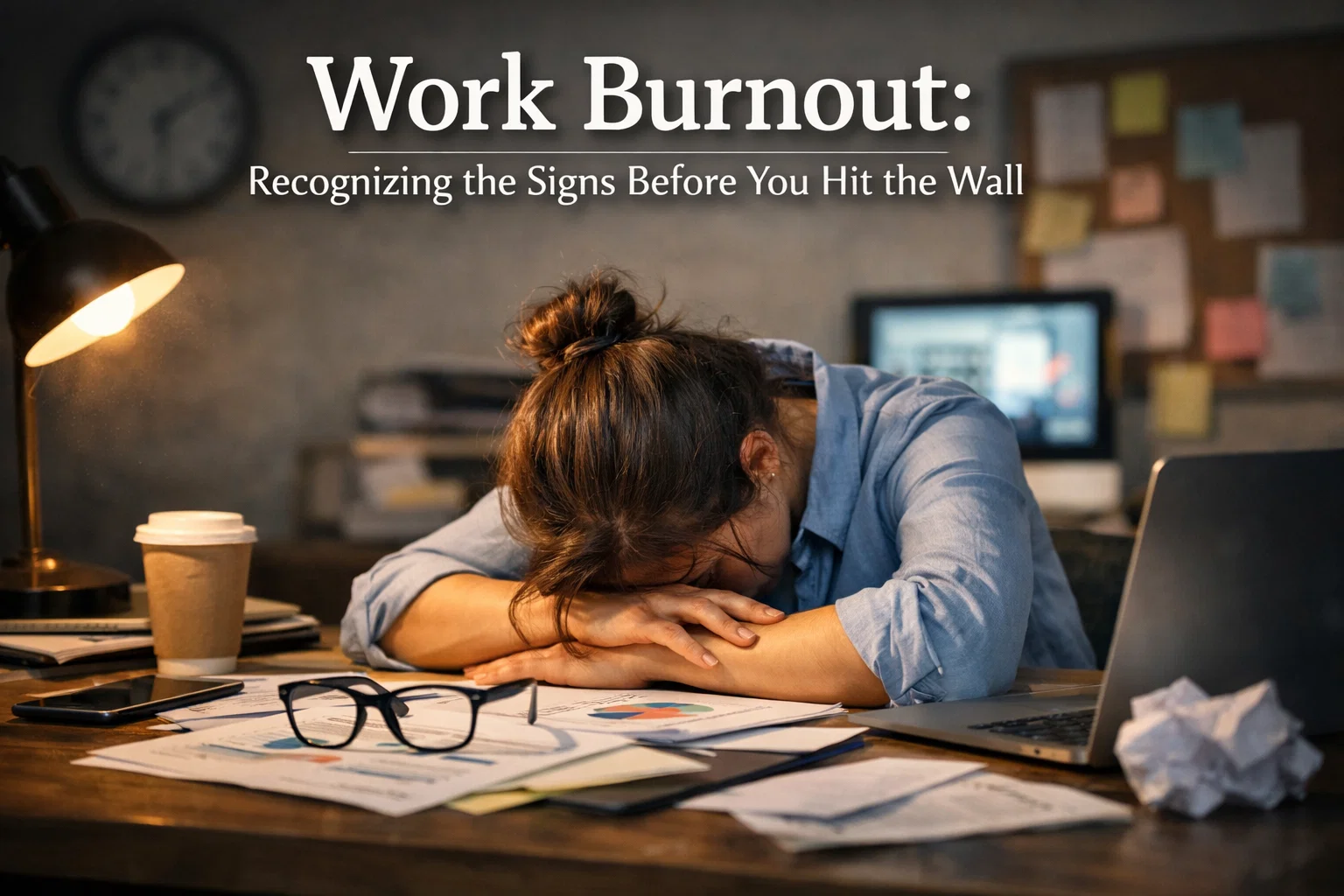

You wake up dreading the workday ahead. The job that once energized you now feels like a burden you can barely shoulder. You’re exhausted despite sleeping, cynical despite once being optimistic, and increasingly convinced that nothing you do makes a difference. Simple tasks feel overwhelming, your productivity has plummeted, and you find yourself fantasizing about quitting—or getting sick just to have a legitimate reason to stay home.
If this sounds painfully familiar, you may be experiencing burnout—a state of physical, emotional, and mental exhaustion caused by prolonged workplace stress. Burnout isn’t just having a bad day or a rough week at work. It’s a serious condition that affects your health, relationships, and quality of life, often sneaking up gradually until you suddenly realize you’re running on empty with nothing left to give.
In South Africa’s challenging economic climate, where job insecurity is high, workloads are often heavy, and the pressure to perform is intense, burnout has become increasingly common. Understanding what burnout is, recognizing the warning signs, and taking action before you completely exhaust yourself can protect your health and career.
What Is Burnout?
Burnout is a state of chronic physical and emotional exhaustion resulting from prolonged exposure to demanding work situations. The term was first coined in the 1970s by psychologist Herbert Freudenberger, and it has since been recognized by the World Health Organization as an occupational phenomenon (though not a medical diagnosis per se).
The WHO defines burnout as characterized by three dimensions:
Exhaustion: Feelings of energy depletion or physical and emotional exhaustion. You feel drained, tired, and unable to recover even after rest.
Cynicism or Mental Distance: Increased mental distance from your job, negative or cynical feelings about your work, and reduced professional efficacy. You become detached, numb, or indifferent to your work.
Reduced Professional Efficacy: A sense of ineffectiveness, reduced productivity, and declining belief in your abilities or the value of your work.
Importantly, burnout specifically refers to workplace stress. While stress from other life areas can contribute to feeling overwhelmed, burnout is fundamentally about your relationship with work.
The Stages of Burnout
Burnout typically develops gradually through several stages. Recognizing which stage you’re in can help you intervene before reaching complete exhaustion.
Stage 1: Honeymoon Phase with Compulsive Work Tendencies
When you first start a job or take on a new project, you might feel energized, committed, and highly productive. This is positive—but if it crosses into compulsive overworking, it can be the first step toward burnout.
Warning signs in this stage:
- Volunteering for extra projects regularly
- Working long hours voluntarily
- Taking work home frequently
- Feeling indispensable
- Difficulty delegating
- Prioritizing work over personal life, exercise, or social connections
- Feeling a rush from being busy and productive
At this stage, intervention is easiest. Establishing boundaries and sustainable work habits now can prevent progression.
Stage 2: Onset of Stress
The initial enthusiasm begins to fade, and stress symptoms emerge. Good days are still interspersed with increasingly difficult days.
Warning signs:
- Occasional inability to focus
- Less efficiency despite working hard
- Beginning to neglect personal needs
- Sleep disturbances starting to appear
- Minor physical symptoms like headaches or fatigue
- Irritability with colleagues or family
- Procrastination beginning to creep in
- Anxiety about work performance
This stage is still manageable with conscious stress management and boundary-setting.
Stage 3: Chronic Stress
Stress becomes persistent rather than occasional. You notice regular symptoms and changes in behavior.
Warning signs:
- Persistent tiredness even after sleep
- Chronic procrastination or apathy toward work
- Resentment toward work demands
- Regular physical symptoms: headaches, digestive issues, muscle tension
- Social withdrawal from colleagues or friends
- Increased cynicism about work
- Decreased productivity despite long hours
- Feeling trapped or powerless
At this stage, significant changes are needed. Professional support may be helpful.
Stage 4: Burnout
Full burnout has set in. Symptoms are severe and constant, significantly affecting your functioning and wellbeing.
Warning signs:
- Chronic exhaustion regardless of rest
- Physical illness becoming more frequent
- Complete cynicism and detachment from work
- Feeling numb or empty
- Self-doubt and sense of failure
- Isolation from others
- Behavioral changes: increased alcohol use, changes in eating, emotional outbursts
- Feeling unable to cope
Stage 5: Habitual Burnout
Burnout symptoms are so embedded that they become your normal state. Physical and mental health problems often develop.
Warning signs:
- Chronic mental and physical health issues
- Deep-seated sadness or depression
- Chronic fatigue that affects all life areas
- Complete loss of meaning or purpose
- Potential suicidal thoughts
If you recognize yourself in stages 4 or 5, professional help is strongly recommended. Burnout at this level often requires medical intervention and cannot be resolved simply by taking time off.
Who Is Most at Risk?
While anyone can experience burnout, certain factors increase vulnerability:
Individual Factors
Perfectionism: Setting impossibly high standards and being harshly self-critical when you don’t meet them creates constant pressure.
High achievers: People who strongly identify with their work and tie their self-worth to professional achievement.
Difficulty saying no: If you struggle with boundaries and take on more than you can handle, overextension is inevitable.
Control needs: Wanting to control every aspect of your work can lead to micromanaging and inability to delegate.
Limited support system: Lacking friends, family, or colleagues who provide emotional support and perspective.
Pre-existing mental health conditions: Anxiety, depression, or other conditions can increase burnout vulnerability.
Workplace Factors
Excessive workload: Unrealistic deadlines, insufficient resources, or impossible expectations.
Lack of control: Little autonomy over your work, schedule, or decisions affecting you.
Unclear job expectations: Not knowing what’s expected or constantly changing requirements.
Poor work-life balance: Expectations that you’ll be available at all hours or work excessive overtime.
Lack of recognition: Your efforts and achievements go unnoticed or unappreciated.
Unfair treatment: Favoritism, bullying, or discrimination in the workplace.
Poor communication: Lack of clarity, feedback, or transparency from management.
Toxic workplace culture: Environments characterized by conflict, backstabbing, or lack of collaboration.
Insufficient resources: Being expected to perform tasks without adequate tools, training, or support.
Value mismatch: Working for an organization whose values conflict with your own.
South African Context
Several factors make burnout particularly prevalent in South Africa:
Economic pressure: High unemployment means many people feel unable to leave unsatisfactory jobs or set boundaries for fear of being replaced.
Heavy workloads: Cost-cutting often means fewer employees doing more work, with limited resources.
Job insecurity: The precarious job market creates constant worry and pressure to prove yourself indispensable.
Commute stress: Long commutes in heavy traffic or unreliable public transport add hours to the workday and increase stress.
Safety concerns: Energy spent worrying about crime, both commuting and at work premises, adds to overall stress load.
Economic inequality: Many South Africans support extended families on single incomes, creating immense financial pressure and inability to take breaks from work.
Load shedding: Power cuts disrupt work, create additional stress, and can extend working hours as people try to catch up when power returns.
Physical Signs of Burnout
Burnout manifests significantly in the body. Don’t ignore these warning signs:
Chronic fatigue: Deep, persistent tiredness that doesn’t improve with rest or sleep. You might sleep adequately but wake feeling unrefreshed.
Weakened immune system: Getting sick more frequently—colds, flu, infections—because chronic stress suppresses immune function.
Sleep disturbances: Insomnia, difficulty falling asleep, waking during the night, or sleeping too much.
Headaches and muscle pain: Tension headaches, neck and shoulder pain, back pain from chronic muscle tension.
Gastrointestinal problems: Upset stomach, nausea, changes in appetite, irritable bowel symptoms.
Changes in appetite or weight: Eating significantly more or less than usual, leading to weight changes.
Cardiovascular symptoms: Increased heart rate, chest tightness, or elevated blood pressure from chronic stress.
Frequent illness: Extended recovery times from illness or injuries that won’t heal.
Emotional and Mental Signs
Emotional exhaustion: Feeling drained, unable to cope, emotionally numb or empty.
Cynicism and detachment: Becoming increasingly negative about work, colleagues, or clients. Feeling disconnected or indifferent to your work.
Loss of enjoyment: Things that used to bring joy or satisfaction now feel meaningless or burdensome.
Irritability: Short temper, impatience with colleagues, family, or minor frustrations.
Anxiety: Persistent worry about work, performance, or job security. Panic or dread about going to work.
Depression: Persistent sadness, hopelessness, or feeling trapped with no way out.
Reduced satisfaction: Sense that nothing you do makes a difference or has value.
Helplessness: Feeling powerless to change your situation or improve things.
Behavioral Signs
Decreased productivity: Taking longer to complete tasks, making more mistakes, struggling to concentrate.
Procrastination: Putting off work, avoiding tasks, difficulty getting started.
Withdrawal: Isolating from colleagues, skipping social events, avoiding communication.
Absenteeism: Calling in sick more often, arriving late, leaving early.
Presenteeism: Being physically at work but mentally absent, going through the motions.
Substance use changes: Increased alcohol consumption, using food or substances to cope with stress.
Emotional outbursts: Crying at work, angry outbursts, or inability to regulate emotions.
Neglecting responsibilities: Letting tasks pile up, missing deadlines, forgetting commitments.
Self-isolation: Withdrawing from friends and family, canceling plans, spending more time alone.
The Impact of Untreated Burnout
When burnout continues without intervention, consequences can be severe:
Health Consequences
- Chronic health conditions: cardiovascular disease, diabetes, obesity
- Mental health disorders: depression, anxiety disorders
- Substance abuse problems
- Chronic pain conditions
- Compromised immune system leading to frequent illness
Career Consequences
- Decreased job performance and productivity
- Damaged professional relationships
- Career stagnation or setbacks
- Job loss
- Difficulty finding satisfaction in any work
Personal Life Impact
- Strained relationships with partners, family, friends
- Neglect of personal responsibilities and self-care
- Loss of hobbies and interests
- Reduced quality of life
- Potential relationship breakdowns
Preventing and Recovering from Burnout
The good news is that burnout can be prevented, and even severe burnout can be reversed with appropriate intervention.
Immediate Steps If You’re Experiencing Burnout
Acknowledge the problem: Denial keeps you stuck. Recognize and name what you’re experiencing.
Seek medical attention: If you’re experiencing physical symptoms or severe depression, see your doctor. Burnout can cause or worsen medical conditions.
Talk to someone: Confide in a trusted friend, family member, or therapist. Isolation worsens burnout.
Take time off if possible: Even a few days of genuine rest can provide perspective and begin recovery. Use sick leave if necessary.
Reduce obligations: Where possible, temporarily reduce commitments outside of essential work and self-care.
Setting Boundaries
Learn to say no: You cannot do everything. Prioritize your essential responsibilities and decline additional commitments.
Protect personal time: Set clear work hours and stick to them. Turn off work email notifications after hours.
Take breaks: Regular short breaks during the workday and using all your vacation days.
Create physical boundaries: If working from home, designate a work space and leave it at the end of the workday.
Communicate limits: Clearly express your boundaries to colleagues and supervisors.
Managing Workload
Prioritize: Identify what’s truly urgent and important. Not everything is equally critical.
Delegate: If possible, share tasks with colleagues. You don’t have to do everything yourself.
Ask for help: Reach out when you’re overwhelmed. Most people are willing to help if asked.
Negotiate realistic deadlines: If deadlines are impossible, communicate this and negotiate extensions.
Batch similar tasks: Group similar activities together to work more efficiently.
Address perfectionism: Done is better than perfect. Aim for good enough rather than flawless.
Self-Care Practices
Prioritize sleep: Aim for 7-9 hours nightly. Create a bedtime routine and stick to consistent sleep/wake times.
Exercise regularly: Even 20-30 minutes of movement several times weekly reduces stress significantly.
Eat nutritiously: Regular, balanced meals support physical and mental health.
Practice relaxation: Deep breathing, meditation, yoga, or progressive muscle relaxation.
Maintain social connections: Spend time with people who support and energize you.
Engage in enjoyable activities: Make time for hobbies, interests, and activities that bring you joy.
Spend time in nature: Natural environments have proven stress-reducing effects.
Limit screen time: Especially before bed and first thing in morning.
Finding Meaning and Purpose
Reconnect with your values: Why did you choose this work? What matters to you?
Focus on impact: Even in difficult jobs, identify the positive difference you make.
Seek opportunities for growth: Learning new skills or taking on meaningful challenges can renew engagement.
Connect with colleagues: Building positive workplace relationships can make work more meaningful.
Consider whether the job fits: If your work fundamentally conflicts with your values, it might be time to explore other options.
Professional Support
Therapy: A therapist can help you develop coping strategies, address underlying issues, and process burnout.
Career counseling: If burnout stems from being in the wrong role, career guidance can help identify better-fitting options.
Support groups: Connecting with others experiencing similar struggles reduces isolation.
Employee assistance programs: Many South African companies offer EAP services providing free counseling.
When to Consider Leaving Your Job
Sometimes, despite your best efforts, a job is fundamentally unsustainable. Consider leaving if:
- The work environment is toxic or abusive
- Workload is consistently unrealistic despite raising concerns
- Your health is seriously affected
- Values clash makes the work intolerable
- No opportunities exist for improvement or growth
- You’ve tried multiple strategies without improvement
Before making this decision, consider:
- Financial implications and whether you can afford a transition
- Whether another job will genuinely be different
- What you’ve learned about what you need in a workplace
- Whether therapy or other support might help clarify the decision
Building Burnout Resistance for the Long Term
Develop sustainable work habits: Work at a pace you can maintain indefinitely rather than sprinting until you collapse.
Cultivate interests outside work: Your job isn’t your entire identity. Diverse sources of meaning and satisfaction provide balance.
Build strong relationships: A solid support network buffers against stress.
Practice regular self-assessment: Check in with yourself regularly about stress levels, satisfaction, and wellbeing.
Address problems early: Don’t wait until you’re in crisis. Small course corrections prevent major derailments.
Develop stress management skills: Learn and practice techniques for managing stress rather than waiting for stress to overwhelm you.
Pursue professional development: Growing skills and knowledge can renew engagement and open opportunities.
Advocate for yourself: Speak up about workload concerns, resource needs, or unfair treatment.
For Employers: Preventing Burnout in Your Team
Organizations have significant responsibility and power to prevent employee burnout:
- Ensure reasonable workloads and adequate staffing
- Provide autonomy and involve employees in decisions affecting them
- Recognize and appreciate employees’ contributions
- Offer professional development opportunities
- Create clear role expectations and provide regular feedback
- Foster supportive, collaborative work culture
- Provide mental health resources and normalize their use
- Model healthy work-life balance from leadership
- Address conflicts and toxic behavior promptly
- Ensure fair treatment and transparent processes
Investing in employee wellbeing isn’t just ethical—it’s practical. Burned-out employees are less productive, more likely to leave, and cost organizations significantly in healthcare, absenteeism, and turnover.
Moving Forward: Recovery Is Possible
Burnout can feel overwhelming and hopeless, but recovery is absolutely possible. With appropriate changes—to your work situation, boundaries, self-care, and perspective—you can restore your energy, enthusiasm, and sense of purpose.
Recovery doesn’t necessarily mean leaving your job, though sometimes that’s the right choice. Often, it means learning to work differently, setting boundaries you never had before, prioritizing your wellbeing as much as your productivity, and recognizing that you’re valuable beyond what you produce.
Remember that experiencing burnout doesn’t mean you’re weak or inadequate. It means you’ve been operating under unsustainable conditions. The solution isn’t to try harder—it’s to work smarter, set boundaries, seek support, and treat yourself with the compassion you deserve.
Your health and wellbeing matter more than any job. You deserve work that sustains rather than depletes you.
If you’re experiencing severe burnout with depression or thoughts of self-harm, please reach out for help:
- SADAG: 0800 567 567
- Lifeline: 0861 322 322
- Your company’s Employee Assistance Program if available
Burnout is serious, but it’s also treatable. You don’t have to suffer alone.



Leave a Comment