

Have you ever felt your stomach tighten days before an important presentation? Or lost sleep worrying about a medical appointment that’s still a week away? Perhaps you’ve cancelled plans because the thought of attending made you feel physically ill, even though the event itself was days away. If any of this sounds familiar, you’ve experienced anticipatory anxiety—a form of worry that can feel just as intense as the actual event you’re dreading, sometimes even worse.
Anticipatory anxiety is remarkably common, yet many people don’t have a name for what they’re experiencing. They simply know that thinking about future events fills them with dread, and that this dread can be just as debilitating as facing the actual situation. Understanding what anticipatory anxiety is, why it happens, and how to manage it can be the first step toward reclaiming your peace of mind and living more fully in the present.
What Is Anticipatory Anxiety?
Anticipatory anxiety is the distress we feel when thinking about future events, situations, or decisions that we perceive as threatening or challenging. Unlike anxiety that occurs during an actual stressful event, this type of worry happens entirely in our minds as we imagine what might go wrong. It’s the anxiety before the anxiety, the worry about worry itself.
Think of it as your brain’s attempt to prepare you for danger—except the danger hasn’t happened yet and may never happen at all. Your mind creates detailed scenarios of potential disasters, playing them over and over like a movie you can’t turn off. Your body responds as if those scenarios are real and happening right now, triggering the same stress response you’d have if you were facing an actual threat.
What makes anticipatory anxiety particularly challenging is that it can feel productive. You might tell yourself you’re “preparing” or “being responsible” by thinking through all the possible problems. In reality, there’s a crucial difference between productive planning and anxious rumination. Planning involves identifying potential challenges and creating solutions. Anticipatory anxiety, on the other hand, involves repetitive worry without action, catastrophic thinking, and an inability to stop the worry cycle even when you want to.
Common Triggers and Situations
Anticipatory anxiety can show up in countless ways in daily life. Recognizing your personal triggers is an important step in learning to manage this type of anxiety.
Social Situations
Many people experience intense dread before social gatherings, parties, networking events, or meetings with new people. The worry might center on saying something embarrassing, being judged by others, not knowing what to talk about, or feeling uncomfortable in conversations. You might spend hours or even days rehearsing potential conversations in your mind, imagining all the ways you could make a fool of yourself.
For some, the anticipatory anxiety about social events becomes so intense that they cancel plans at the last minute, offer excuses to avoid gatherings, or simply stop accepting invitations altogether. This can lead to isolation and loneliness, which ironically often increases anxiety levels over time.
Work and Performance
Job interviews, presentations, important meetings, performance reviews, or starting a new job can trigger anticipatory anxiety days or even weeks in advance. The fear often involves making mistakes, being criticized, not meeting expectations, or being exposed as incompetent despite your actual qualifications and experience.
In South Africa’s competitive job market, work-related anticipatory anxiety is particularly common. The pressure to perform, combined with economic uncertainty, can amplify these fears. You might find yourself unable to sleep the night before an important work event, or experiencing physical symptoms like nausea or headaches as the date approaches.
Health-Related Concerns
Waiting for medical test results, anticipating a doctor’s appointment, worrying about potential health issues, or even routine medical procedures can create significant distress. The unknown nature of health concerns often amplifies this anxiety. Your mind might jump to worst-case scenarios, imagining serious diagnoses or painful treatments, even when there’s no evidence to support these fears.
During the COVID-19 pandemic and its aftermath, health-related anticipatory anxiety has become even more prevalent. Many people now experience anxiety before any situation that might expose them to illness, from visiting public spaces to attending gatherings.
Relationship Interactions
Difficult conversations with partners, family members, or friends can cause intense anticipatory worry. You might rehearse the conversation repeatedly in your mind, imagining all the ways it could go badly. Perhaps you’re worried about setting boundaries, expressing your needs, ending a relationship, or confronting someone about their behavior.
The anticipatory anxiety can become so overwhelming that you avoid the conversation entirely, allowing problems to fester and grow. Alternatively, you might blurt out your concerns impulsively just to escape the anticipatory anxiety, often in a way that’s less constructive than if you’d had the conversation when feeling calmer.
Travel and New Experiences
Planning a trip, trying something new, attending an unfamiliar venue, or stepping outside your comfort zone can trigger anticipatory anxiety, even when the activity is supposed to be enjoyable. You might worry about getting lost, having a panic attack in an unfamiliar place, something going wrong with travel arrangements, or simply not enjoying yourself and wasting time and money.
This type of anticipatory anxiety can be particularly limiting because it prevents you from experiencing new things, visiting new places, and growing as a person. Over time, your world becomes smaller and smaller as you stick only to what feels completely safe and predictable.
Financial Decisions and Concerns
In the current economic climate, many South Africans experience anticipatory anxiety around financial matters. This might include worrying about upcoming large expenses, anticipating financial difficulties, dreading conversations about money with partners or family members, or fearing the consequences of necessary but expensive purchases.
How Anticipatory Anxiety Affects Your Body and Mind
When you’re caught in anticipatory anxiety, your body doesn’t distinguish between imagined threats and real ones. This is because your brain’s threat-detection system—particularly the amygdala—responds to perceived danger regardless of whether that danger is physically present or simply imagined.
Physical Symptoms
You might experience a wide range of physical symptoms when anticipatory anxiety strikes:
- Cardiovascular symptoms: Racing heart, palpitations, chest tightness, or elevated blood pressure
- Muscular tension: Particularly in the neck, shoulders, and jaw; some people clench their teeth without realizing it
- Digestive issues: Nausea, diarrhea, stomach pain, loss of appetite, or stress-related conditions like irritable bowel syndrome
- Sleep disturbances: Difficulty falling asleep, waking up in the middle of the night with worried thoughts, or waking up too early and being unable to return to sleep
- Headaches: Tension headaches or migraines triggered by stress and muscle tension
- Fatigue: Chronic tiredness from the constant state of worry and poor sleep quality
- Breathing changes: Rapid, shallow breathing or feeling like you can’t get enough air
- Sweating: Particularly in the palms, underarms, or face
- Trembling or shaking: Especially in the hands or legs
These physical symptoms can create a vicious cycle. You notice your racing heart or upset stomach, which you interpret as evidence that something really is wrong or dangerous. This interpretation increases your anxiety, which in turn intensifies the physical symptoms.
Mental and Emotional Impact
Mentally and emotionally, anticipatory anxiety can be equally debilitating:
You might notice yourself catastrophizing—jumping immediately to worst-case scenarios without considering more likely or neutral outcomes. Your mind becomes a disaster prediction machine, always forecasting the most terrible possible results.
“What if” thinking becomes a constant companion. What if I embarrass myself? What if something goes wrong? What if I can’t handle it? What if people judge me? These questions loop endlessly without resolution because you’re trying to answer questions about an uncertain future.
Difficulty concentrating on present tasks is common because your mind is consumed with future worries. You might find yourself reading the same paragraph over and over, unable to absorb information, or making mistakes in routine tasks because your attention is elsewhere.
Emotional exhaustion sets in from the constant state of vigilance and worry. Even when you’re not actively thinking about the feared event, there’s an underlying current of tension and dread that drains your emotional resources.
Irritability and mood changes often accompany anticipatory anxiety. You might find yourself snapping at loved ones, feeling tearful for no clear reason, or experiencing mood swings as you oscillate between hope and dread.
The Cycle That Keeps You Stuck
Understanding how anticipatory anxiety perpetuates itself is crucial to breaking free from its grip. The cycle typically looks like this:
1. The Trigger
You become aware of an upcoming event, decision, or situation that you perceive as potentially threatening or challenging. This could be something as major as a job interview or as routine as a social gathering you’ve attended many times before.
2. The Anxious Imagination
Your mind begins creating scenarios of what might happen. Rather than considering a range of possible outcomes, your brain focuses disproportionately on negative possibilities. You imagine yourself failing, being judged, experiencing embarrassment, or facing disaster.
3. Physical Response
Your body responds to these imagined scenarios as if they’re real. Your heart rate increases, your muscles tense, your digestion becomes upset. These physical sensations are your body’s way of preparing you to face danger—the classic “fight or flight” response.
4. Misinterpretation
You interpret these physical sensations as proof that the situation really is dangerous or that you really won’t be able to handle it. “I’m already this anxious just thinking about it, so imagine how bad I’ll feel when it actually happens!” This thought pattern intensifies the anxiety.
5. Avoidance or Over-Preparation
To escape the discomfort of anticipatory anxiety, you either avoid the situation entirely or engage in excessive preparation that goes far beyond what’s actually helpful. You might cancel plans, make excuses, delegate tasks to others, or spend hours preparing for something that requires minimal preparation.
6. Temporary Relief
When you avoid the situation or complete your excessive preparation, you experience temporary relief from the anxiety. Your nervous system calms down, and you feel better—at least for now.
7. Reinforcement
This temporary relief is powerful. Your brain learns that avoiding or over-preparing “works” to reduce anxiety. The problem is that you never get the chance to learn that you could have handled the situation without avoidance, or that your catastrophic predictions were unlikely to come true.
8. The Cycle Repeats and Strengthens
Next time a similar situation arises, the anticipatory anxiety returns even stronger because the avoidance or excessive preparation reinforced your brain’s belief that the situation truly was dangerous. Each time you avoid or over-prepare, you’re teaching your brain that these situations are threats to be feared.
Over time, this cycle can gradually shrink your world as you avoid more and more situations to escape the discomfort of anticipatory worry. Activities that used to bring you joy become sources of dread. Opportunities pass you by because the anticipatory anxiety feels too overwhelming to face.
Why Some People Experience More Anticipatory Anxiety
While anyone can experience anticipatory anxiety in certain situations, some people are more prone to it than others. Understanding the factors that contribute to anticipatory anxiety can help you approach yourself with more compassion and identify areas to address in treatment.
Past Experiences and Conditioning
If you’ve had negative experiences in certain situations, your brain becomes hypervigilant about similar future events. For example, if you once gave a presentation that went poorly, your brain might sound alarm bells every time a future presentation appears on your calendar. This is your brain trying to protect you from repeating painful experiences, but it often overestimates the likelihood of history repeating itself.
Perfectionism and High Standards
Setting impossibly high standards for yourself creates more opportunities to worry about falling short. If you believe you must perform flawlessly in every situation, any upcoming event becomes a minefield of potential failure. Perfectionism and anticipatory anxiety often go hand in hand, creating a punishing cycle of worry and self-criticism.
Intolerance of Uncertainty
Some people find it extremely difficult to tolerate not knowing how things will turn out. This intolerance of uncertainty can lead to constant worry about future outcomes as you desperately try to predict and control what will happen. The irony is that the future is inherently uncertain, so this approach guarantees ongoing anxiety without actually providing the certainty you crave.
Anxiety Sensitivity
Anxiety sensitivity refers to being afraid of anxiety symptoms themselves. If you interpret your racing heart or sweaty palms as dangerous or intolerable, you’ll be much more likely to experience anticipatory anxiety about situations that might trigger these sensations. You’re not just worried about the event itself; you’re worried about how anxious you might feel during the event.
Trauma History
Past traumatic experiences can make your threat-detection system overly sensitive, causing you to anticipate danger even in relatively safe situations. Your brain’s alarm system has been calibrated to be extra cautious, which means it sounds warnings about potential threats even when the actual risk is low.
Depression and Low Mood
When you’re feeling depressed, your thinking tends to become more negative and pessimistic. This negative thinking style can fuel anticipatory anxiety as you imagine future events through a lens of hopelessness and defeat. Depression and anxiety often co-occur, creating a particularly challenging combination.
Family Patterns and Learned Behaviors
If you grew up in a family where worry and anxiety were common, you may have learned to approach the future with apprehension. Children often absorb their parents’ emotional responses to situations, learning that upcoming events are things to dread rather than anticipate with neutral curiosity or even excitement.
Practical Strategies to Manage Anticipatory Anxiety
While anticipatory anxiety can feel overwhelming and uncontrollable, there are effective evidence-based strategies to reduce its grip on your life. The key is to practice these techniques regularly, not just when anxiety is at its peak.
Ground Yourself in the Present Moment
When you notice yourself spinning worry stories about the future, gently bring your attention back to right now. One effective technique is the 5-4-3-2-1 grounding exercise: Notice five things you can see, four things you can touch, three things you can hear, two things you can smell, and one thing you can taste. This simple exercise reminds your brain that in this present moment, you’re safe. The feared future event isn’t happening right now.
You can also practice mindful awareness of your immediate surroundings. Feel your feet on the floor, notice the temperature of the air on your skin, observe the colors and shapes around you. When your mind wanders back to future worries—and it will—simply notice this and gently redirect your attention to the present without judgment.
Challenge Your Predictions
Anticipatory anxiety is fueled by catastrophic predictions about the future. Learning to question these predictions can help break the cycle. Ask yourself:
- “How many times have I worried about something that never happened?”
- “Even when challenging situations have occurred, how did I actually cope?”
- “What’s the most likely outcome, not just the worst-case scenario?”
- “Am I confusing possibility with probability?”
- “What evidence do I have that supports my worried thoughts? What evidence contradicts them?”
Most of our anxious predictions don’t come true. Even when challenging situations do occur, we usually cope better than we anticipated. Keeping a worry journal where you write down your predictions and then later note what actually happened can be eye-opening. You’ll likely discover that your anxious brain is a very poor fortune teller.
Set Worry Time Boundaries
This technique, drawn from cognitive behavioral therapy, involves designating a specific 15-20 minute period each day for worrying. When anticipatory thoughts arise outside this time, acknowledge them (“I notice I’m having worried thoughts about the presentation”) and postpone them until your designated worry period. You might even write them down briefly in a “worry list” to address during worry time.
Often, by the time your scheduled worry period arrives, the concerns feel less urgent or have resolved themselves. During worry time, you can actively problem-solve issues that are within your control, or practice accepting uncertainty about issues that aren’t.
Distinguish Between Productive Planning and Anxious Rumination
There’s a crucial difference between helpful preparation and anxiety-driven over-preparation. Productive planning has a clear endpoint and results in concrete action. Anxious rumination is repetitive, doesn’t lead to solutions, and often involves scenarios you can’t actually prepare for.
Ask yourself: “Is this thinking helping me prepare, or am I just spinning in circles?” If you’re truly planning, set a specific time to do so, take concrete actions, and then move on to other activities. If you find yourself unable to stop thinking about the situation, you’ve likely crossed over into rumination.
Focus on What You Can Control
Identify which aspects of the upcoming situation you can influence and which you cannot. Direct your energy toward preparation that’s actually helpful, rather than repetitive worry that changes nothing.
For example, if you’re worried about an upcoming presentation, you can control how much you practice, the quality of your slides, and arriving early to set up. You cannot control whether the technology will work perfectly, exactly how the audience will respond, or whether someone will ask a question you haven’t prepared for. Accepting the limits of your control can be incredibly freeing.
Practice Progressive Exposure
Instead of avoiding situations that trigger anticipatory anxiety, gradually expose yourself to them in manageable steps. This approach, drawn from exposure therapy, helps you learn that you can tolerate the anxiety and that your catastrophic predictions rarely come true.
Start small and build your confidence over time. If you experience intense anticipatory anxiety about social gatherings, you might start by having coffee with one trusted friend, then gradually work up to small group gatherings before tackling larger parties. Each successful experience provides evidence that you can handle these situations, which reduces future anticipatory anxiety.
Use Your Body to Calm Your Mind
Physical activity, deep breathing exercises, and progressive muscle relaxation can all help reduce the physical symptoms of anticipatory anxiety, which in turn calms your worried thoughts. When your body feels calm, it’s harder for your mind to maintain high levels of anxiety.
Try diaphragmatic breathing: Place one hand on your chest and one on your belly. Breathe in slowly through your nose for a count of four, feeling your belly rise while your chest stays relatively still. Hold for a count of four, then exhale slowly through your mouth for a count of six. Repeat for several minutes.
Regular exercise is also remarkably effective for managing anxiety. Physical activity burns off stress hormones, releases mood-boosting endorphins, and gives you a break from worried thoughts. Even a 20-minute walk can make a significant difference.
Practice Self-Compassion
When you’re struggling with anticipatory anxiety, it’s easy to add self-criticism on top of the anxiety itself. You might think, “I’m being ridiculous,” “Other people don’t struggle with this,” or “I should be able to handle this better.”
This self-criticism only increases your distress. Instead, try talking to yourself the way you’d talk to a good friend who was struggling. Acknowledge that anxiety is difficult, that your brain is trying to protect you (even if it’s not doing a great job), and that struggling with anticipatory anxiety doesn’t mean there’s anything wrong with you.
Limit Reassurance-Seeking
While it’s natural to want reassurance when you’re anxious, constantly seeking reassurance from others can actually maintain anticipatory anxiety. Each time someone reassures you, you get temporary relief, but you also reinforce the message that the situation is something you can’t handle on your own.
Instead of asking “Do you think it will be okay?” try building your tolerance for uncertainty. Remind yourself that you don’t need to know for certain how things will turn out in order to move forward.
When to Seek Professional Help
While some anticipatory anxiety is a normal part of life, you should consider reaching out to a mental health professional if:
- Your worry is so intense that it prevents you from doing important activities or significantly impacts your quality of life
- You’re avoiding more and more situations to escape anticipatory anxiety, and your world is becoming smaller
- Physical symptoms are affecting your health, such as chronic digestive issues, persistent headaches, or severe sleep problems
- You’re using alcohol, substances, or other unhealthy coping mechanisms to manage the anxiety
- The anxiety persists despite trying self-help strategies consistently for several weeks
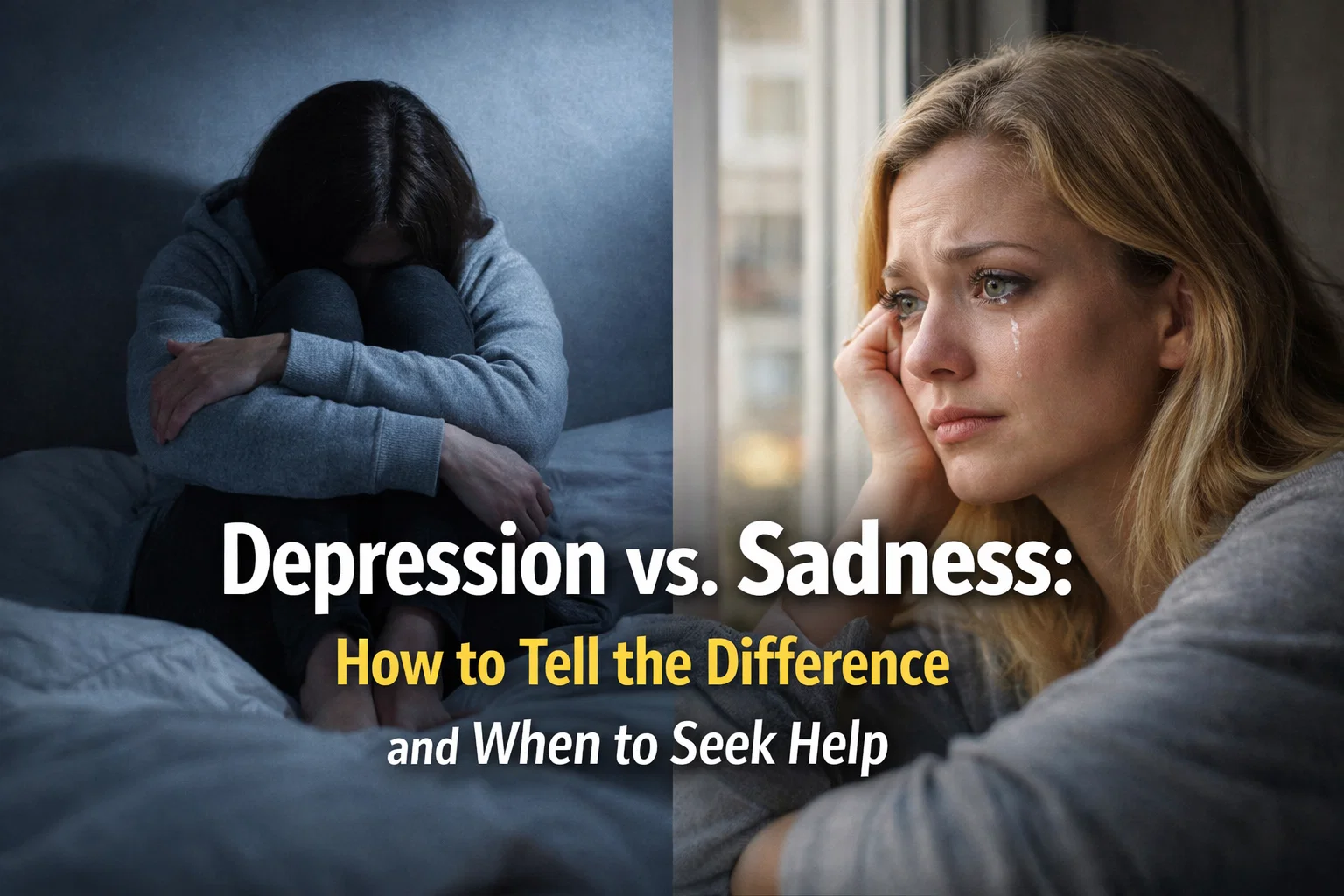
- You’re experiencing symptoms of depression alongside the anxiety, such as persistent sadness, loss of interest in activities, or thoughts of self-harm
- The anticipatory anxiety is affecting your relationships, work performance, or ability to care for yourself or others
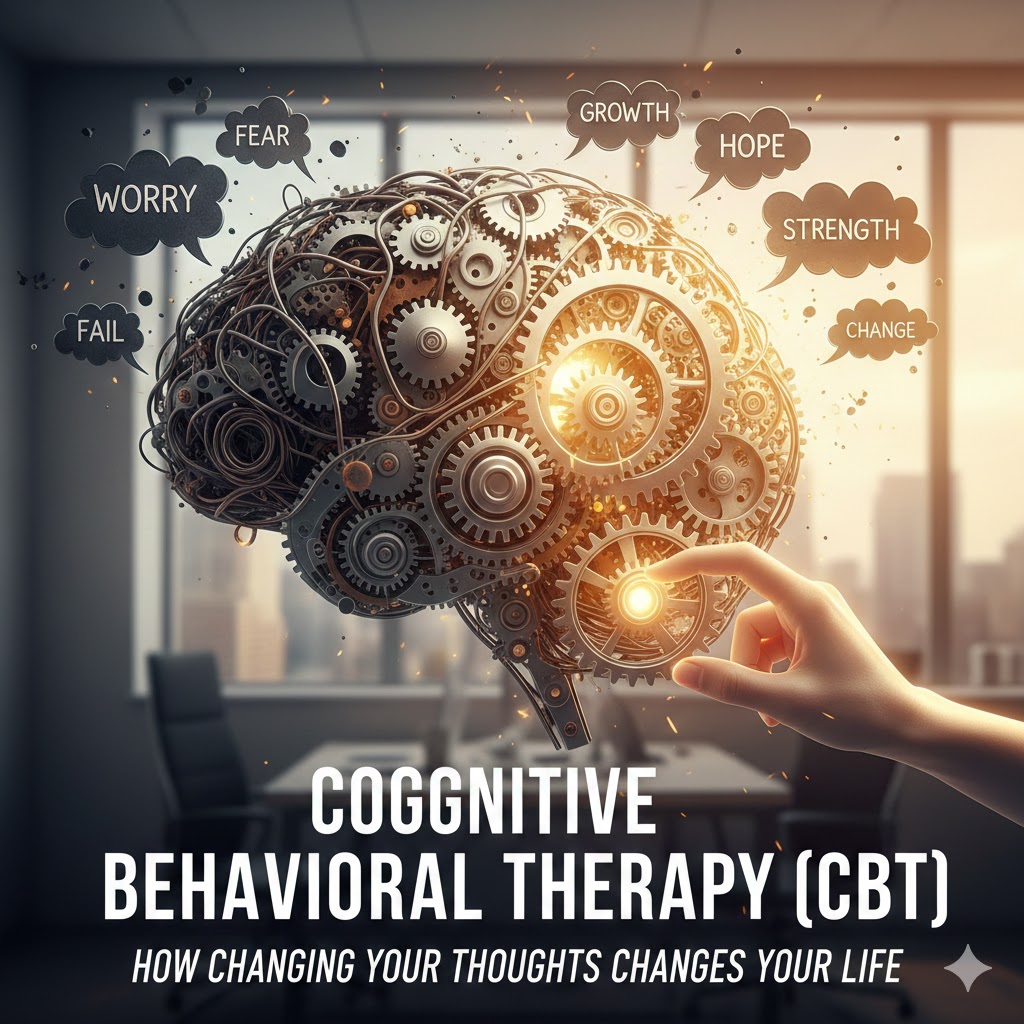
Therapy approaches like Cognitive Behavioral Therapy (CBT), Acceptance and Commitment Therapy (ACT), and Exposure Therapy have proven highly effective for treating anticipatory anxiety. A qualified therapist can help you identify the specific thought patterns and behaviors maintaining your anxiety and develop personalized strategies for managing it.
In South Africa, mental health support is available through private psychologists, counseling services, and organizations like the South African Depression and Anxiety Group (SADAG). Many therapists now offer online sessions, making therapy more accessible regardless of where you live.
Medication may also be helpful for some people, particularly if anxiety is severe or accompanied by depression. A psychiatrist or your general practitioner can discuss whether medication might be appropriate for your situation.
Moving Forward: Living with Uncertainty
Remember that anticipatory anxiety is your mind trying to protect you, even if it’s not doing a particularly good job of it. The goal isn’t to eliminate all worry about the future—some planning and concern is healthy and adaptive. Instead, aim to develop a healthier relationship with uncertainty and discomfort.
With practice and patience, you can learn to notice anticipatory anxiety without being controlled by it. You can acknowledge the worried thoughts while still moving forward with your life. The future you’re worrying about hasn’t happened yet, and when it does arrive, you’ll likely find you’re more capable of handling it than your anxiety wanted you to believe.
Life inherently involves uncertainty and risk. No amount of worry can eliminate that uncertainty or guarantee positive outcomes. What you can do is learn to carry anxiety more lightly, to take action even when you feel afraid, and to trust in your ability to cope with whatever comes your way.
Every time you move forward despite anticipatory anxiety, you’re teaching your brain that these situations are manageable. You’re building evidence against the catastrophic predictions. You’re reclaiming your life from worry, one brave step at a time.
If you’re struggling with anticipatory anxiety and need support, consider reaching out to a qualified therapist who can provide personalized strategies and treatment. Taking that first step toward help is itself an act of courage in facing your anxiety. Remember, you don’t have to struggle alone.


Leave a Comment