

Your teenager has changed. They used to be outgoing, but now they spend most time alone in their room. Their grades have dropped. They’re irritable, withdrawn, or seem perpetually anxious. They’ve stopped participating in activities they once loved. You’re worried, but when you try to talk, they shut down, insist they’re fine, or explode in anger.
Or perhaps you’re a teenager reading this, recognizing yourself in the description above. You’re struggling with overwhelming feelings you can’t quite name. School feels impossible. Social situations trigger anxiety. You’re not sleeping. You feel hopeless or numb. You don’t know how to ask for help or even if what you’re experiencing is serious enough to warrant help.
Adolescence has always been challenging, but today’s South African teens face unique pressures: economic uncertainty, high youth unemployment prospects, social media comparison, academic pressure, and often direct exposure to crime and violence. Mental health struggles among teens are increasing globally, and South Africa is no exception.
Understanding teen mental health—what’s normal adolescent development versus concerning symptoms, how mental health manifests differently in teens versus adults, and how to effectively support struggling adolescents—can quite literally save lives. This guide is for both teens experiencing mental health challenges and the adults trying to support them.
Understanding Adolescent Development
Normal Developmental Challenges
Adolescence involves massive changes—physical, cognitive, emotional, and social. Some degree of moodiness, identity questioning, peer focus, and parent conflict is developmentally normal.
Normal adolescent experiences include:
- Mood fluctuations and occasional irritability
- Increased need for independence and privacy
- Strong focus on peer relationships
- Questioning identity, values, and beliefs
- Risk-taking behaviors as part of identity exploration
- Conflicts with parents about rules and autonomy
- Self-consciousness about appearance
- Intense but often brief romantic interests
When is it more than normal adolescence?
Mental health concerns are indicated when:
- Symptoms persist for weeks or months rather than passing quickly
- Functioning is significantly impaired (school, relationships, self-care)
- Behaviors are extreme or dangerous
- There’s a marked change from the teen’s usual personality
- The teen expresses suicidal thoughts or self-harms
- Symptoms cause significant distress to the teen or family
The Adolescent Brain
The teenage brain is still developing, particularly the prefrontal cortex (responsible for judgment, impulse control, and emotional regulation). This means teens are more likely to:
- Act impulsively without fully considering consequences
- Experience emotions more intensely
- Struggle with emotional regulation
- Be influenced by peer pressure
- Engage in risky behaviors
This doesn’t excuse harmful behavior, but understanding brain development helps contextualize some adolescent struggles.
Common Mental Health Issues in Teens
Anxiety Disorders
Anxiety disorders are among the most common mental health issues in adolescents.
Social Anxiety: Intense fear of social situations, being judged, or embarrassing oneself. In teens, this might manifest as:
- Avoiding school or class presentations
- Difficulty making or keeping friends
- Refusing to attend social events
- Extreme self-consciousness
- Physical symptoms before social situations (nausea, sweating, panic)
Generalized Anxiety Disorder (GAD): Persistent, excessive worry about various things—school performance, friendships, family, health, the future.
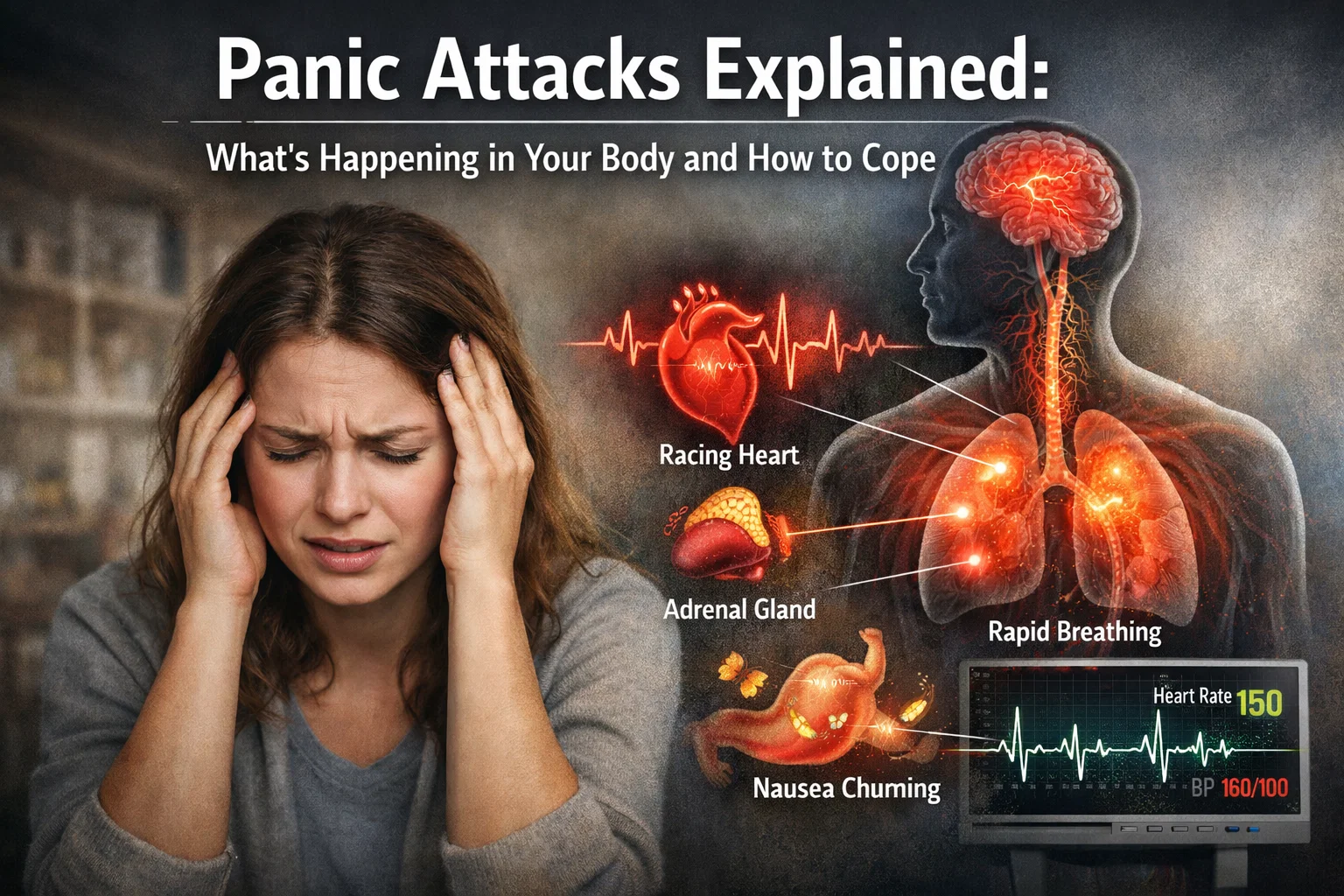
Panic Disorder: Unexpected panic attacks characterized by intense physical symptoms (racing heart, difficulty breathing, dizziness, feeling of impending doom).
Specific Phobias: Intense, irrational fears of specific things or situations.
Test Anxiety: While some nervousness before exams is normal, severe test anxiety significantly impairs performance and causes intense distress.
Depression
Teen depression looks different from adult depression and is often missed or dismissed as “just being a moody teenager.”
Signs of depression in teens:
- Persistent sadness, emptiness, or hopelessness lasting weeks
- Irritability, anger, or hostility (more common in teen depression than adult)
- Loss of interest in activities previously enjoyed
- Social withdrawal from friends and family
- Changes in eating or sleeping patterns
- Difficulty concentrating affecting school performance
- Feelings of worthlessness or excessive guilt
- Physical complaints (headaches, stomach aches) without medical cause
- Thoughts of death or suicide
- Self-harm behaviors
- Substance use
Important: Teens with depression often show irritability and anger more prominently than sadness. An irritable, hostile teen might be depressed.
Self-Harm
Non-suicidal self-injury (cutting, burning, scratching) is concerning but doesn’t always indicate suicidal intent. Teens often self-harm to:
- Release overwhelming emotional pain
- Feel something when emotionally numb
- Express feelings they can’t verbalize
- Punish themselves
- Communicate distress to others
Self-harm requires professional intervention even when not suicidal, as it indicates significant distress and unhealthy coping.
Suicidal Thoughts and Behaviors
Warning signs:
- Talking about death, suicide, or “not being here anymore”
- Researching suicide methods
- Giving away possessions
- Saying goodbye to people
- Sudden improvement after severe depression (may indicate decision has been made)
- Increased substance use
- Reckless behavior
- Withdrawing from everyone
- Expressing feelings of being a burden
- Statements like “everyone would be better off without me”
If a teen expresses suicidal thoughts, take it seriously every time. Asking about suicide doesn’t plant the idea—it shows you care and can save lives.
Immediate actions:
- Don’t leave them alone
- Remove access to means (medications, weapons, sharp objects)
- Call ChildLine (0800 055 555), SADAG (0800 567 567), or take them to hospital emergency department
- Stay calm but take the situation seriously
Eating Disorders
Eating disorders (anorexia, bulimia, binge eating disorder) typically emerge during adolescence.
Warning signs:
- Significant weight loss or gain
- Preoccupation with food, calories, weight, or body shape
- Restrictive eating, skipping meals, or avoiding certain food groups
- Evidence of purging (vomiting, laxative use)
- Excessive exercise
- Wearing baggy clothes to hide body
- Withdrawal from social activities involving food
- Distorted body image
Eating disorders are serious medical and psychiatric conditions requiring professional treatment.
Substance Use and Addiction
Experimentation with alcohol or substances is common in adolescence, but problematic use includes:
- Using alone or to cope with emotions
- Declining school performance due to substance use
- Legal problems related to substances
- Continuing despite negative consequences
- Using increasingly larger amounts
- Withdrawal symptoms when not using
In South Africa, alcohol is often easily accessible to teens, normalizing drinking culture early.
Teen Mental Health in South African Context
Unique Stressors
Academic Pressure: Matric pressure is intense. The stakes feel enormous—university admission, employment prospects, family expectations. In a country with high youth unemployment, academic success feels like the only path forward.
Economic Stress: Many South African teens live in poverty or witness family financial struggles. Worrying about money, seeing parents stressed, or lacking basic necessities creates chronic stress.
Violence Exposure: High crime rates mean many teens have witnessed or experienced violence. This trauma affects mental health profoundly but often goes unaddressed.
Unemployment Fears: Knowing that youth unemployment is around 60% creates hopelessness about the future. “Why try in school if there are no jobs?”
Social Media Pressure: Like teens globally, South African adolescents face constant social comparison, cyberbullying, and pressure to present perfect online lives.
HIV/AIDS Impact: Many teens have lost parents or family members to AIDS, creating grief and often increased family responsibilities as they care for younger siblings.
Educational Inequality: Massive disparities in educational quality based on location and socioeconomic status create unfair playing fields and frustration.
Language Barriers: When medium of instruction isn’t your home language, academic stress increases significantly.
Cultural Factors
Mental Health Stigma: In many South African communities, mental health struggles are stigmatized. Teens may fear being labeled “crazy” or weak.
Family Expectations: Cultural expectations about respect, achievement, and family responsibilities can create pressure. Mental health struggles may be seen as disrespectful or disappointing parents.
Traditional vs. Western Perspectives: Some families interpret mental health through spiritual or traditional frameworks, which can delay professional treatment or create confusion for teens.
Gender Expectations: Traditional gender roles can prevent boys from expressing emotion or seeking help and create pressure on girls to be compliant despite their struggles.
Warning Signs for Parents and Caregivers
Look for changes from the teen’s usual functioning:
Academic changes:
- Sudden drop in grades
- Loss of interest in school
- Skipping classes
- Difficulty concentrating
Social changes:
- Withdrawal from friends
- Loss of interest in previously enjoyed activities
- Isolation in their room
- No longer bringing friends home
Behavioral changes:
- Increased irritability, anger, or hostility
- Reckless or dangerous behaviors
- Substance use
- Secretive behavior
- Changes in friend groups, especially to more risky peers
Physical changes:
- Sleep disturbances (sleeping too much or too little)
- Changes in appetite or weight
- Neglecting appearance or hygiene
- Frequent physical complaints
Emotional changes:
- Persistent sadness or hopelessness
- Excessive worry or fear
- Emotional numbness or seeming “flat”
- Extreme mood swings
Communication changes:
- Talking about death or suicide
- Expressing hopelessness about the future
- Saying they feel like a burden
- Giving up on goals or plans
How to Talk to Teens About Mental Health
Creating Safe Space for Conversation
Choose the right time and place:
- Private, comfortable setting
- Not when either of you is angry or rushed
- Side-by-side activities (driving, walking) can make conversation easier than face-to-face intensity
Start gently:
- “I’ve noticed you seem different lately. Is everything okay?”
- “You seem stressed/sad/worried. Want to talk about it?”
- “How are you really doing?”
Listen without judgment:
- Don’t immediately offer solutions or dismiss concerns
- Avoid minimizing (“Everyone feels that way” or “It’s not that bad”)
- Don’t lecture or criticize
- Resist the urge to “fix” everything
Validate their feelings:
- “That sounds really difficult”
- “I can understand why you’d feel that way”
- “Thank you for trusting me with this”
Ask directly about suicide if concerned:
- “Are you thinking about hurting yourself?”
- “Have you thought about suicide?”
- Asking doesn’t plant the idea; it shows you care and can save lives
Avoid common mistakes:
- “You have nothing to be depressed about”
- “Just think positive”
- “Everyone goes through this”
- “You’re too young to be stressed”
- Comparing to others: “Kids in [difficult situation] have it worse”
When the Teen Won’t Talk
If your teen won’t open up to you:
- Don’t take it personally; teens often share more with others
- Offer alternatives: trusted aunt/uncle, family friend, school counselor, therapist
- Provide resources: helplines, websites, apps
- Keep showing you care through actions, not just words
- Don’t give up; keep checking in gently
Supporting Teens Through Mental Health Challenges
Professional Help
When to seek professional help:
- Symptoms persist for more than two weeks
- Functioning is significantly impaired
- Self-harm or suicidal thoughts
- Substance use problems
- Eating disorder symptoms
- Trauma responses
- Severe anxiety interfering with school or relationships
Types of help:
- School counselors: Often free and accessible, though limited capacity
- Private psychologists: More comprehensive but costly; check medical aid coverage
- Psychiatrists: Can prescribe medication if needed
- Community health centers: Free or low-cost but often have long waiting lists
- Online therapy: Increasingly available for teens
- Support groups: For specific issues like eating disorders or grief
Finding the right fit: Teens need therapists they feel comfortable with. It may take trying several before finding good fit. That’s normal and okay.
Supporting Treatment
If teen is in therapy:
- Respect their privacy; therapy content is confidential
- Support attendance and homework between sessions
- Ask how you can help without being intrusive
- Be patient; therapy takes time
- Don’t expect them to share session details
- Attend family sessions if recommended
If medication is prescribed:
- Monitor adherence without being controlling
- Watch for side effects
- Don’t stigmatize medication
- Follow up with prescribing doctor regularly
- Understand medication takes time to work (usually 4-6 weeks for full effect)
At Home Support
Maintain routine and structure:
- Consistent sleep and meal times
- Regular family time
- Clear, reasonable expectations
Encourage self-care:
- Physical activity
- Adequate sleep
- Nutritious food
- Time for relaxation and fun
Stay connected:
- Regular family meals without phones
- Shared activities they enjoy
- Physical affection if they’re receptive (hugs, shoulder squeeze)
- Showing interest in their world
Monitor without hovering:
- Know their friends and activities
- Set reasonable boundaries around phone, internet, going out
- Check in regularly but respect privacy
- Trust but verify, especially regarding safety
Model healthy coping:
- Show healthy ways to manage stress
- Talk about your own emotions appropriately
- Seek help when you need it
- Demonstrate work-life balance
Reduce unnecessary stress:
- Don’t add pressure during difficult times
- Adjust expectations temporarily if needed
- Prioritize wellbeing over achievement
School Support
Communicate with school:
- Inform teachers/counselors about mental health challenges (with teen’s input)
- Request accommodations if needed (extended deadlines, reduced workload temporarily)
- Create a plan for if symptoms worsen at school
- Ensure school knows warning signs and emergency contacts
Academic support:
- Tutoring if falling behind
- Study skills support
- Realistic academic goals
- Celebrating effort, not just grades
For Teens: Taking Care of Your Mental Health
If You’re Struggling
Recognize you’re not alone: Many teens experience mental health challenges. It’s not weakness, and it’s not your fault.
Talk to someone: Trusted adult, friend, school counselor, therapist, or helpline. Keeping struggles inside makes them worse.
Seek professional help: If symptoms are severe, persistent, or interfering with your life, therapy can really help.
Practice self-care:
- Sleep 8-10 hours nightly
- Eat regular, nutritious meals
- Exercise or move your body
- Limit social media
- Make time for things you enjoy
- Connect with supportive friends
Challenge negative thoughts: When your brain says “I’m worthless” or “Everyone hates me,” ask for evidence. Often these thoughts aren’t facts.
Avoid self-medication: Alcohol or drugs might seem to help temporarily but make mental health worse.
Be patient with yourself: Recovery isn’t linear. Bad days don’t mean you’re failing.
If You’re Having Suicidal Thoughts
Tell someone immediately:
- Parent, trusted adult, friend
- Call ChildLine: 0800 055 555
- Call SADAG: 0800 567 567
- Call Lifeline: 0861 322 322
- Go to hospital emergency department
Create safety plan:
- Identify warning signs
- List coping strategies
- Remove access to means (pills, weapons)
- List people to contact
- List reasons to live
Remember: Suicidal thoughts are symptoms of treatable conditions. With help, these feelings pass. You deserve support and a future.
Building Mentally Healthy Teens
Prevention matters as much as treatment:
Emotional literacy: Teach teens to identify and express emotions.
Stress management: Model and teach healthy coping skills.
Problem-solving: Help teens develop skills to handle challenges.
Realistic expectations: Perfection isn’t required; effort and growth matter.
Connection: Strong relationships buffer against mental health problems.
Purpose and meaning: Help teens identify values and goals beyond achievement.
Self-compassion: Teach teens to treat themselves kindly, especially when struggling.
Moving Forward
Teen mental health challenges are serious but treatable. With appropriate support, most adolescents who struggle with anxiety, depression, or other mental health issues recover and go on to live fulfilling lives.
Early intervention matters. Don’t wait until crisis to seek help. Addressing mental health challenges early prevents escalation and teaches teens that seeking help is strength, not weakness.
For parents: Your support matters enormously, even when it seems like your teen doesn’t appreciate it. Keep showing up, keep offering help, keep believing in their recovery.
For teens: You’re not alone. What you’re experiencing is real and valid. Help is available. You deserve support. Things can get better.
Resources for teens and parents:
- ChildLine (for anyone under 18): 0800 055 555
- SADAG: 0800 567 567
- Lifeline: 0861 322 322
- Teen Line (SMS): 43336
Mental health challenges don’t define you or your teen. With support, recovery is possible.


Leave a Comment