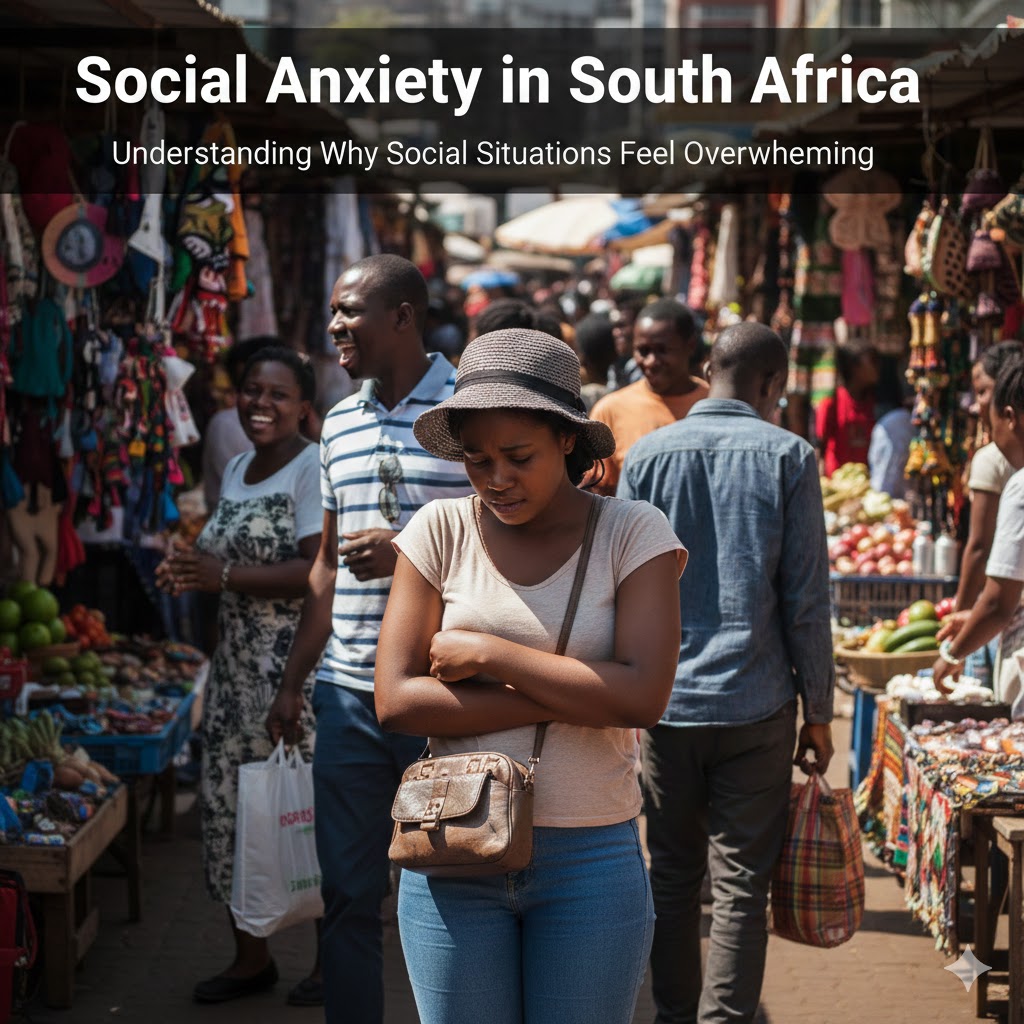

The taxi rank is packed with people rushing to catch their rides home. Your palms begin to sweat. Your heart races. You scan for the least crowded spot, weighing whether it’s worth waiting for the next taxi just to avoid the crush of bodies and potential small talk. Or perhaps you’re standing outside a colleague’s office party, hand on the door handle, telling yourself you’ll just stay for ten minutes before leaving. Your mind is already rehearsing excuses for why you need to leave early.
If these scenarios feel painfully familiar, you’re not alone. Social anxiety affects millions of people worldwide, and in South Africa’s diverse, complex social landscape, it can manifest in unique and challenging ways. Understanding social anxiety—what it is, why it happens, and how to manage it—is the first step toward reclaiming your confidence and enjoying more fulfilling social connections.
What Is Social Anxiety?
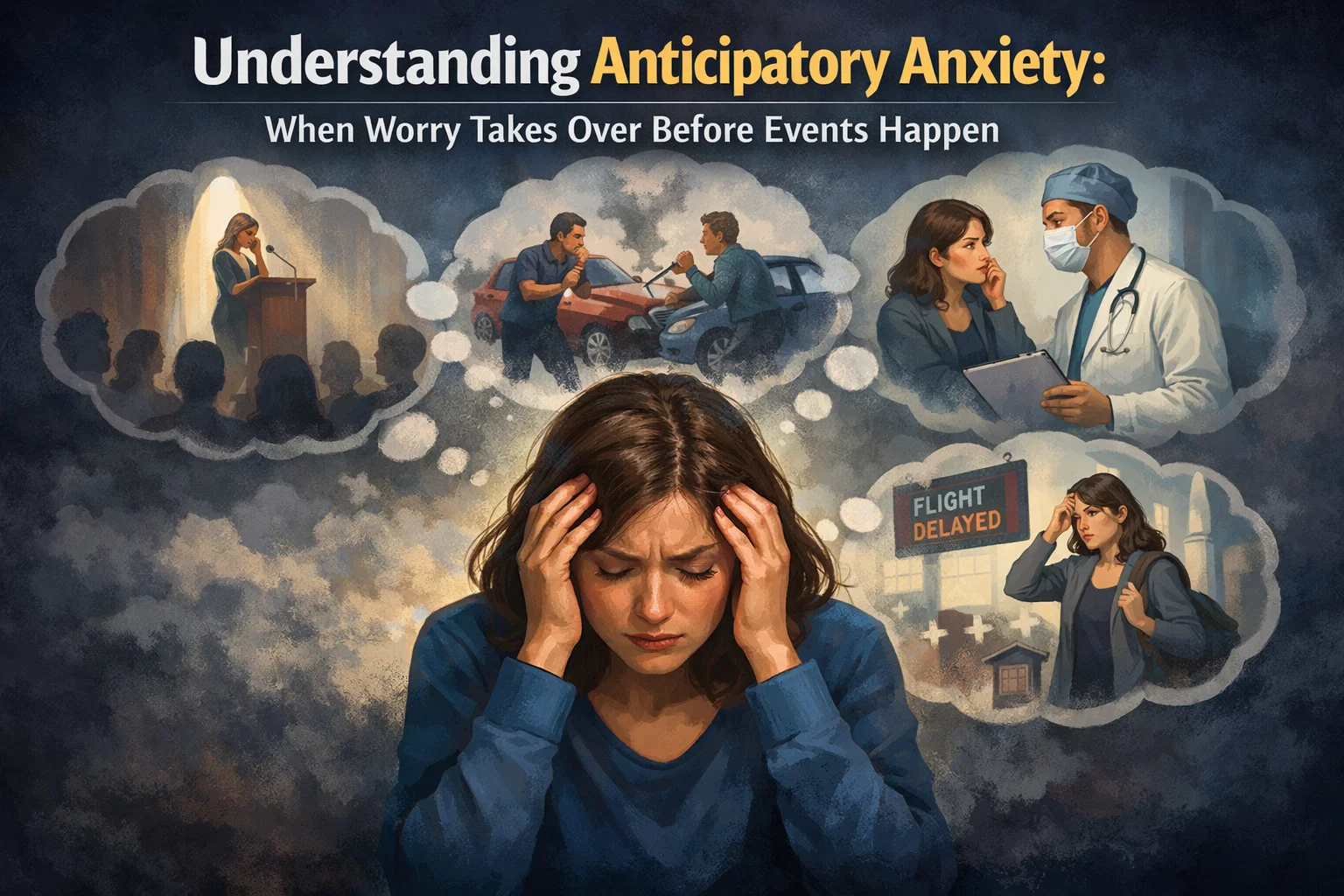
Social anxiety disorder, also known as social phobia, is more than just shyness or occasional nervousness in social situations. It’s an intense, persistent fear of being judged, embarrassed, or humiliated in social or performance situations. People with social anxiety often experience overwhelming worry about social interactions, sometimes days or weeks before an event occurs.
The fear centers around the belief that others are critically watching and evaluating you, ready to notice any mistake or flaw. You might worry about saying something foolish, appearing incompetent, showing visible signs of anxiety like blushing or trembling, or being rejected or excluded by others. These fears can be so intense that they interfere with work, school, relationships, and daily activities.
It’s important to distinguish between normal social nervousness and social anxiety disorder. Most people feel some degree of nervousness before giving a presentation, meeting new people, or attending a large gathering. This is completely normal. Social anxiety disorder, however, involves fear that is out of proportion to the actual threat, persists for six months or longer, causes significant distress, and leads to avoidance of important activities or situations.
How Social Anxiety Shows Up in South African Context
South Africa’s unique cultural, linguistic, and social dynamics can create specific challenges for people with social anxiety. Understanding these contextual factors can help you recognize how social anxiety might be affecting your life.
Navigating Multilingual Spaces
South Africa has 11 official languages, and many social and professional settings require switching between languages or interacting with people who speak different home languages. For someone with social anxiety, this adds another layer of worry. You might fear making grammatical mistakes in your second or third language, worry about not understanding someone’s accent or dialect, feel embarrassed about asking someone to repeat themselves, or be anxious about choosing the “wrong” language in a multilingual group.
These concerns can be particularly acute in professional settings where language proficiency may be associated with education level or competence. The fear of appearing less intelligent or capable because of language difficulties can trigger intense social anxiety.
Cultural Expectations and Ubuntu
The South African concept of Ubuntu—the philosophy that emphasizes community, sharing, and mutual care—creates a cultural context where social connection is deeply valued. While this communal approach has many benefits, it can also create pressure for people with social anxiety.
You might feel guilty about your preference for solitude or small gatherings, perceive your anxiety as a personal failing that goes against cultural values, worry that avoiding social events makes you appear unfriendly or disrespectful, or struggle with the expectation to greet everyone individually at gatherings. The cultural emphasis on warmth, hospitality, and social participation can make social anxiety feel even more isolating when your instinct is to withdraw.
Workplace Hierarchies and Respect
South African workplace culture often emphasizes respect for hierarchy and authority. For someone with social anxiety, interactions with superiors or senior colleagues can be particularly anxiety-provoking. You might experience intense fear of speaking up in meetings when managers are present, worry excessively about how to address senior colleagues appropriately, avoid asking for help or clarification to prevent appearing incompetent, or feel paralyzed when networking with people in higher positions.
These hierarchical dynamics can limit career advancement when anxiety prevents you from advocating for yourself, building professional relationships, or demonstrating your capabilities in group settings.
Social Gatherings and Celebrations
South African culture is rich with social traditions—from weekend braais to family gatherings, religious celebrations to community events. While these occasions bring joy to many, they can be sources of intense dread for people with social anxiety.
Common anxiety triggers in these contexts include arriving at a gathering where you don’t know many people, navigating unwritten social rules about when to arrive, what to bring, and how long to stay, making conversation with relatives or family friends you barely know, being the center of attention during celebrations or toasts, and participating in group activities, dancing, or singing when you feel self-conscious.
The expectation to attend family and community events can create difficult conflicts between managing your anxiety and maintaining important relationships.
Township and Urban Dynamics
South Africa’s unique urban geography, with its mix of townships, suburbs, and informal settlements, creates varied social environments. For someone with social anxiety, navigating these different spaces can present distinct challenges.
In densely populated areas, the lack of privacy and constant social interaction can be overwhelming. You might struggle with the expectation to greet neighbors you pass frequently, anxiety about running into people you know when you’re not feeling sociable, discomfort with the close physical proximity to others in crowded spaces, or worry about being perceived as standoffish if you’re not naturally outgoing.
Conversely, in more suburban or affluent areas, social anxiety might manifest as fear of not fitting in, worry about being judged based on appearance or material possessions, anxiety about social class differences, or discomfort with more formal or reserved social expectations.
Crime and Safety Concerns
South Africa’s high crime rates add another dimension to social anxiety. While security consciousness is a practical necessity for everyone, people with social anxiety might find that legitimate safety concerns become entangled with their social fears.
You might struggle to distinguish between reasonable caution and anxiety-driven avoidance, use safety concerns as a justification to avoid social situations, experience heightened anxiety in unfamiliar areas or when traveling to new venues, or become hypervigilant in social settings in ways that increase anxiety rather than actual safety.
This intersection of real safety considerations and social anxiety can make it particularly challenging to identify which fears are proportionate and which are being amplified by anxiety.
Common Triggers and Situations
Social anxiety can be triggered by a wide range of situations. For some people, only specific scenarios provoke anxiety, while others experience anxiety in most or all social interactions. Understanding your personal triggers is an important step in managing social anxiety.
Performance and Public Speaking
One of the most common triggers is situations where you’re the focus of attention. This might include giving presentations at work or school, speaking up in meetings or classroom discussions, making toasts or speeches at weddings or celebrations, performing in front of others (singing, dancing, sports), being introduced to a group, or having to eat or drink in front of others.
The fear often centers on the possibility of making a mistake, forgetting what you want to say, showing visible signs of nervousness, or being judged as boring or incompetent.
Initiating and Maintaining Conversations
Many people with social anxiety struggle with the informal, unstructured nature of casual conversation. You might feel anxious about starting conversations with strangers or acquaintances, not knowing what to say or how to keep a conversation going, experiencing awkward silences, saying something that comes across as strange or inappropriate, or appearing boring or uninteresting.
Small talk—the seemingly effortless chitchat others engage in—can feel like an impossibly complex social dance when you’re constantly monitoring yourself and worrying about how you’re coming across.
Social Gatherings and Parties
Events like parties, braais, weddings, or office functions can trigger intense anticipatory anxiety. You might worry about arriving and not knowing where to go or what to do, standing alone and appearing friendless or socially awkward, being expected to mingle and talk to multiple people, dealing with loud music or crowds, or finding an appropriate time and way to leave.
The unstructured nature of these events, combined with the expectation to appear relaxed and enjoy yourself, can feel overwhelming.
Meeting New People
Whether it’s a first date, a job interview, meeting your partner’s family, or joining a new group or team, encounters with unfamiliar people can trigger social anxiety. Common worries include making a bad first impression, not knowing what’s expected of you, being judged or rejected, appearing nervous or uncomfortable, or not having anything interesting to say about yourself.
The permanence of first impressions can make these situations feel particularly high-stakes.
Being Observed or Evaluated
Situations where you know others are watching or assessing you can trigger intense anxiety. This might include working while others watch, taking tests or exams, being observed during training or probation periods, eating in public, using public restrooms, or making phone calls where others can hear you.
The awareness of being observed can create a self-fulfilling prophecy where anxiety about appearing nervous actually makes you more visibly anxious.
Authority Figures and Confrontation
Interacting with people in positions of power or dealing with conflict can be particularly challenging. You might experience anxiety when speaking with teachers, bosses, or officials, asking for help or accommodations, disagreeing with someone or expressing a different opinion, setting boundaries or saying no, addressing problems in relationships, or standing up for yourself when treated unfairly.
The fear of negative consequences—whether real or imagined—can make these interactions feel impossibly difficult.
Digital Communication Challenges
While you might assume that digital communication would be easier for people with social anxiety, it often creates its own set of challenges. You might overthink text messages or emails, rewriting them multiple times, worry about response times (responding too quickly or too slowly), experience anxiety about phone calls, even with familiar people, stress about social media presence and how you’re perceived online, or avoid video calls despite them being necessary for work or staying connected.
The permanence of written communication and the absence of non-verbal cues can actually intensify anxiety for some people.
The Physical and Emotional Experience of Social Anxiety
Social anxiety isn’t just a mental or emotional experience—it profoundly affects your body as well. Understanding these symptoms can help you recognize when you’re experiencing social anxiety and respond with appropriate coping strategies.
Physical Symptoms
When social anxiety is triggered, your body activates its threat response system. You might experience rapid heartbeat or heart palpitations that feel like your heart is pounding out of your chest, sweating, particularly noticeable on your palms, forehead, or underarms, trembling or shaking hands, voice, or legs, blushing or feeling your face become hot and flushed, muscle tension, especially in your neck, shoulders, and jaw, nausea or upset stomach, sometimes severe enough to cause vomiting, dizziness or feeling lightheaded, shortness of breath or feeling like you can’t get enough air, or a tight, constricted feeling in your chest or throat.
These physical symptoms can be distressing in themselves, but they also create a vicious cycle: you notice these symptoms, which increases your self-consciousness and worry about others noticing them, which in turn intensifies the symptoms.
Cognitive Symptoms
Social anxiety is characterized by specific patterns of thinking that fuel and maintain the anxiety. You might engage in mind reading, assuming you know what others are thinking about you (and it’s always negative), catastrophizing by imagining the worst possible outcomes of social interactions, personalization where you take things personally that aren’t about you, black-and-white thinking such as believing you must perform perfectly or you’ve completely failed, overgeneralization by assuming that one negative experience means all similar situations will go badly, or mental filtering where you focus exclusively on negative aspects of social interactions while ignoring positive ones.
These thought patterns happen automatically and feel true, even when there’s little or no evidence to support them.
Emotional Symptoms
Beyond the fear itself, social anxiety often comes with a range of difficult emotions. You might feel intense shame about your anxiety or perceived social inadequacies, embarrassment even when nothing embarrassing has actually happened, loneliness and isolation from avoiding social connections, frustration with yourself for not being able to “just get over it,” hopelessness about ever feeling comfortable in social situations, or sadness about missed opportunities and experiences.
These emotions can be as debilitating as the anxiety itself, particularly when they lead to self-criticism and negative self-judgment.
Behavioral Symptoms
Social anxiety inevitably affects behavior, often in ways that temporarily reduce anxiety but ultimately maintain the problem. Common behavioral patterns include avoidance of social situations entirely, arriving late or leaving early to minimize social contact, staying silent or in the background to avoid attention, using alcohol or substances to cope with social situations, over-preparing or rehearsing conversations, seeking excessive reassurance from others, or using “safety behaviors” like checking your phone, avoiding eye contact, or staying near exits.
While these behaviors provide short-term relief, they prevent you from learning that social situations are manageable and that your feared outcomes are unlikely to occur.
Why Social Anxiety Develops
Understanding the roots of social anxiety can help reduce self-blame and point toward effective treatment approaches. Social anxiety typically develops from a combination of factors rather than a single cause.
Biological and Genetic Factors
Research suggests that social anxiety has a genetic component. If you have family members with social anxiety or other anxiety disorders, you’re more likely to develop it yourself. This doesn’t mean social anxiety is inevitable, but it does suggest a biological vulnerability.
Additionally, some people are born with a temperament that predisposes them to anxiety. Children described as “behaviorally inhibited”—those who are cautious, shy, and easily overwhelmed by new situations—are more likely to develop social anxiety later in life.
Brain chemistry also plays a role. Imbalances in neurotransmitters like serotonin and dopamine can contribute to anxiety disorders. An overactive amygdala—the brain’s fear center—may cause a heightened threat response to social situations.
Learning and Conditioning
Many people with social anxiety can trace their fears to specific learning experiences. You might have had an embarrassing or humiliating experience in a social setting that your brain then generalized to similar situations. Perhaps you were laughed at when giving a presentation, excluded by a social group, or criticized publicly by a teacher or parent.
Observational learning also plays a role. If you grew up watching a parent or caregiver struggle with social anxiety, you may have learned to view social situations as threatening. Children absorb not just what adults say, but how they behave and what they appear to fear.
Repeated negative social experiences—bullying, rejection, criticism, or social exclusion—can condition you to expect and fear these outcomes in future interactions.
Parenting and Early Environment
While no parent sets out to cause anxiety in their children, certain parenting styles and family dynamics can contribute to social anxiety. Overprotective parenting that shields children from manageable challenges and social situations can prevent them from developing confidence and coping skills. Overly critical or controlling parenting can create intense fear of judgment and mistakes. Parents who are emotionally distant or invalidating may raise children who doubt their social competence.
Growing up in an environment where mistakes were harshly punished, emotions were dismissed, or approval was conditional on performance can create lasting anxiety about being evaluated by others.
Cultural and Social Factors
Broader cultural messages also shape social anxiety. In South Africa, historical factors like apartheid created deep social divisions and mistrust that can still affect how people experience intergroup social situations. Economic inequality can create anxiety about being judged based on socioeconomic status. Rapid urbanization and social change can leave people feeling disconnected from traditional support systems while struggling to navigate new social expectations.
Additionally, modern culture’s emphasis on social performance—amplified by social media—can intensify social anxiety. The pressure to present a carefully curated version of yourself, accumulate likes and followers, and maintain a perfect online image can be exhausting and anxiety-provoking.
Negative Self-Perception
At the core of social anxiety is often a negative view of yourself and your social abilities. You might believe you’re fundamentally flawed, uninteresting, or unlikeable; that you’re less capable than others in social situations; that you don’t deserve friendship or belonging; or that any signs of nervousness or imperfection will lead to rejection.
These beliefs often develop over time through a combination of the factors mentioned above, and they become self-fulfilling prophecies as anxiety-driven behaviors prevent you from gathering evidence that contradicts them.
The Impact of Untreated Social Anxiety
When social anxiety goes unaddressed, it can significantly affect multiple areas of life. Understanding these impacts underscores the importance of seeking help.
Career and Professional Life
Social anxiety can create serious obstacles to career development. You might avoid pursuing jobs that require interaction with people, even if you’re otherwise qualified; struggle to network or build professional relationships; have difficulty in job interviews, leading to missed opportunities; avoid speaking up in meetings, causing your contributions to go unrecognized; miss out on promotions because you’re not visible to decision-makers; or experience significant stress that affects your work performance.
In South Africa’s competitive job market, these limitations can have serious economic consequences.
Relationships and Social Connections
Perhaps the most painful impact of social anxiety is on relationships. You might struggle to form close friendships because initial interactions are so difficult; have romantic relationships affected by difficulty with intimacy and vulnerability; become isolated as you avoid social situations, creating loneliness; experience strain in existing relationships when friends or family don’t understand your anxiety; or miss important life events—weddings, celebrations, gatherings—because anxiety prevents attendance.
The irony is that meaningful relationships are one of the most important factors in mental health and life satisfaction, yet social anxiety makes it harder to build and maintain these connections.
Education and Learning
For students, social anxiety can interfere with academic success. You might avoid participating in class even when you know the answers, struggle with group projects and presentations, have difficulty asking teachers for help or clarification, experience test anxiety that affects performance, or avoid certain courses or majors because of their social requirements.
These academic impacts can have long-term consequences for educational attainment and career options.
Physical Health
Chronic social anxiety takes a toll on physical health as well. The constant stress can contribute to headaches and migraines, digestive problems including irritable bowel syndrome, weakened immune function leading to more frequent illness, cardiovascular problems from chronic stress, sleep disturbances and insomnia, or chronic pain from muscle tension.
Additionally, people with social anxiety may avoid medical appointments due to anxiety about interacting with healthcare providers, potentially delaying important preventive care or treatment.
Mental Health
Social anxiety rarely exists in isolation. It often co-occurs with depression, other anxiety disorders like generalized anxiety or panic disorder, substance use problems as people self-medicate to cope with social situations, or eating disorders in some cases.
The combination of isolation, chronic stress, and negative self-perception creates significant risk for worsening mental health.
Effective Strategies for Managing Social Anxiety
The good news is that social anxiety is highly treatable. With the right approaches, most people experience significant improvement in their symptoms and quality of life.
Cognitive Behavioral Therapy (CBT)
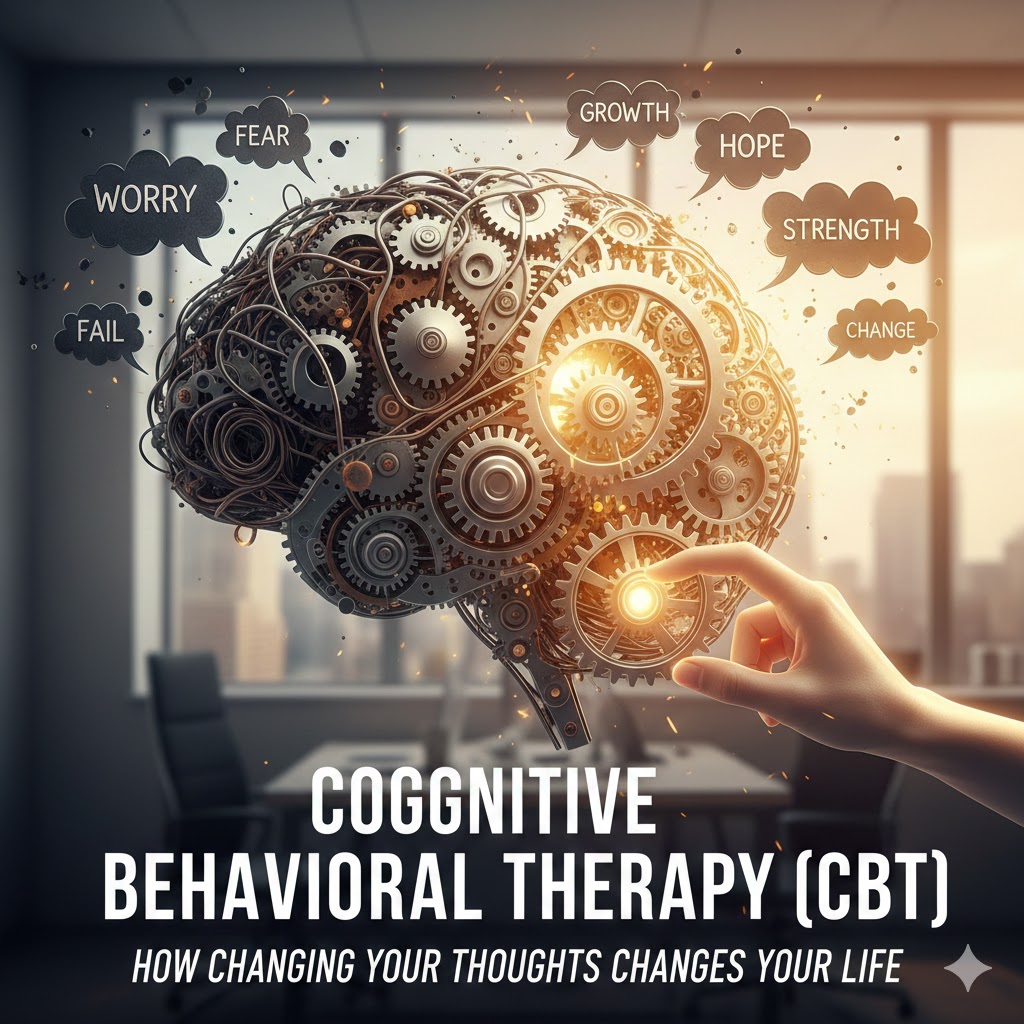
CBT is the gold standard treatment for social anxiety. This therapeutic approach focuses on identifying and changing the thought patterns and behaviors that maintain anxiety.
In CBT for social anxiety, you’ll learn to identify anxious thoughts (such as “Everyone will think I’m stupid”), examine the evidence for and against these thoughts, develop more balanced, realistic perspectives, and gradually face feared situations through exposure exercises.
CBT helps you understand that your catastrophic predictions rarely come true and that even when social situations don’t go perfectly, you can cope with the outcomes.
Exposure Therapy
A core component of effective social anxiety treatment is gradually facing feared situations rather than avoiding them. This doesn’t mean forcing yourself into overwhelming situations; instead, it involves creating a hierarchy of feared situations from least to most anxiety-provoking, starting with manageable challenges and gradually working up, staying in situations long enough for anxiety to decrease, repeating exposures until they become less frightening, and learning through experience that feared outcomes rarely occur.
For example, you might start by making brief small talk with a store clerk, progress to asking a question in a small meeting, then work up to giving a presentation to a larger group.
Challenging Negative Thoughts
Learning to question and reframe anxious thoughts is a powerful tool. When you notice anxious predictions, practice asking yourself what evidence supports this thought? What evidence contradicts it? What would I tell a friend who had this thought? What’s a more balanced way to view this situation? Even if my fear comes true, how would I cope?
This doesn’t mean forcing positive thinking or denying real challenges. It means developing a more accurate, balanced perspective that doesn’t automatically assume the worst.
Mindfulness and Present-Moment Awareness
Social anxiety pulls you out of the present moment into worried thoughts about the future or rumination about past interactions. Mindfulness practices help you stay grounded in what’s actually happening right now.
Try bringing your attention to your physical senses—what you see, hear, feel, smell—rather than your worried thoughts, noticing when your mind wanders to anxious predictions and gently redirecting it, practicing non-judgmental awareness of your anxiety rather than trying to fight it, or engaging fully in conversations by listening rather than monitoring yourself.
When you’re present in the moment, you’re less trapped in anxious narratives about what might go wrong.
Building Social Skills and Confidence
Sometimes social anxiety stems partly from genuine uncertainty about social expectations or lack of practice with social interactions. Building skills can increase confidence.
This might involve learning and practicing conversation techniques, observing how socially confident people interact, seeking opportunities to practice in low-stakes situations, or gradually expanding your comfort zone.
Many South African community centers, libraries, and organizations offer social skills groups or conversation clubs that provide supportive environments for practice.
Self-Compassion
One of the most important—and often overlooked—aspects of managing social anxiety is treating yourself with kindness. Notice when you’re being self-critical and intentionally soften your self-talk, remind yourself that anxiety is not a character flaw or personal failing, acknowledge that struggling with social anxiety is difficult and you’re doing your best, practice speaking to yourself as you would to a good friend, and celebrate small victories rather than focusing only on what’s still difficult.
Self-criticism fuels social anxiety, while self-compassion creates the safety needed for growth and change.
Lifestyle Factors
While therapy and skills are essential, basic lifestyle choices also impact social anxiety. Regular exercise reduces overall anxiety levels and improves mood, adequate sleep helps regulate emotions and stress responses, limiting caffeine and alcohol prevents exacerbation of anxiety symptoms, maintaining balanced nutrition supports stable mood and energy, and building regular routines creates a sense of stability and control.
These foundational practices won’t cure social anxiety on their own, but they create conditions that make other interventions more effective.
Medication
For some people, medication can be a helpful part of treatment, particularly when anxiety is severe. SSRIs (selective serotonin reuptake inhibitors) are often prescribed for social anxiety and can reduce symptoms significantly. Beta-blockers might be used for specific performance situations to reduce physical symptoms.
Medication is most effective when combined with therapy rather than used alone. If you’re considering medication, consult with a psychiatrist or your general practitioner to discuss whether it might be appropriate for your situation.
Support Groups and Peer Connection
Connecting with others who understand social anxiety can be incredibly validating and helpful. Support groups provide a safe space to practice social interaction, reduce the shame and isolation of social anxiety, learn strategies from others who’ve successfully managed similar challenges, and receive encouragement and accountability.
In South Africa, organizations like SADAG (South African Depression and Anxiety Group) can connect you with support resources.
Moving Forward: Hope and Healing
Living with social anxiety can feel exhausting and limiting, but change is possible. Thousands of people who once struggled with debilitating social anxiety have learned to manage their symptoms and live fuller, more connected lives.
Progress rarely follows a straight line. You’ll have setbacks, difficult days, and situations that still trigger intense anxiety. This doesn’t mean you’re failing or that treatment isn’t working. Recovery is a process, not a destination.
Start where you are. You don’t need to overcome all your fears at once or force yourself into overwhelming situations. Small, consistent steps forward are more sustainable and effective than dramatic leaps that leave you feeling defeated.
Remember that you’re not alone. Social anxiety is one of the most common mental health conditions, affecting people across all cultures, backgrounds, and walks of life. Seeking help is a sign of strength, not weakness.
If you’re ready to address your social anxiety, consider reaching out to a qualified therapist who specializes in anxiety treatment. The investment in your mental health and quality of life is one of the most important you can make.
Your anxiety has been trying to protect you, even if its methods haven’t been helpful. With patience, practice, and support, you can learn new ways of navigating the social world—ways that allow you to connect, contribute, and thrive.
If you’re struggling with social anxiety and need support, consider reaching out to a qualified mental health professional. In South Africa, you can contact the South African Depression and Anxiety Group (SADAG) at 0800 567 567 for information and referrals. Remember, reaching out for help is the first brave step toward change.


Leave a Comment