
Intermittent fasting is one of the most researched dietary approaches of the last decade — but also one of the most misunderstood. This guide cuts through the hype, explains the real science, and shows you exactly how to start safely and sustainably.
📅 April 27, 2026 | ⏱ 10 min read | 🥗 Nutrition
- What Is Intermittent Fasting?
- The Science: What Actually Happens During a Fast
- The Most Common IF Methods Compared
- Evidence-Backed Benefits of Intermittent Fasting
- How to Start: A Step-by-Step Beginner Protocol
- What to Eat (and Avoid) During Your Eating Window
- Who Should NOT Try Intermittent Fasting
- Common Beginner Mistakes
- Frequently Asked Questions
Intermittent fasting has become one of the most widely discussed dietary strategies of the modern era — celebrated by some as a revolutionary metabolic reset and dismissed by others as another unsustainable trend. The truth, as usual, sits somewhere more nuanced and more interesting than either extreme.
Intermittent fasting is not a diet in the conventional sense. It doesn’t specify what you eat — it specifies when you eat. And that seemingly simple shift in timing turns out to have profound effects on metabolism, cellular repair, inflammation, hormonal balance, and — for many people — body composition.
The research base is now substantial. Not all the headline claims survive scrutiny, but enough does to make intermittent fasting a genuinely evidence-backed tool worth understanding — particularly for beginners looking for a practical, flexible approach to eating that goes beyond calorie counting.

What Is Intermittent Fasting?
Intermittent fasting (IF) is an eating pattern that cycles between periods of fasting and eating. Unlike most dietary approaches, it makes no specific recommendations about which foods to eat — only about when to eat them.
The premise is rooted in human evolutionary biology. For the vast majority of human history, people did not have access to food 24 hours a day. Eating was intermittent by necessity — periods of feast followed by periods of fasting (intentional or otherwise). Our metabolism evolved in this context. The modern pattern of eating three meals plus multiple snacks, spread across a 16-hour window from breakfast to late-night eating, is historically anomalous — and there is growing evidence that it may be metabolically problematic.
Intermittent fasting restores a more ancestrally-aligned eating rhythm — one that gives your digestive system, liver, and metabolic machinery extended periods of rest and repair between eating windows.
🔬 Important Clarification: Intermittent fasting and caloric restriction are not the same thing. Many IF studies show metabolic benefits independent of calorie intake — suggesting that the timing itself, not just reduced calories, produces meaningful physiological effects. That said, IF often does naturally reduce calorie intake for many people, which compounds its benefits.
The Science: What Actually Happens During a Fast
Understanding the physiology of fasting makes the practice far more motivating and easier to sustain. Here’s what happens in your body during an extended fast — hour by hour:
| Hours Since Last Meal | What’s Happening in Your Body |
|---|---|
| 0–4 hours | Digestion and absorption of the previous meal. Insulin elevated, glucose being used for energy and stored as glycogen. Fat burning minimal. |
| 4–8 hours | Meal fully digested. Blood glucose returning to baseline. Insulin declining. Body beginning to rely more on liver glycogen for energy. |
| 8–12 hours | Glycogen stores depleting. Insulin at baseline. Fat mobilisation beginning — fatty acids released from fat cells for energy. Early fat-burning state. |
| 12–16 hours | Significant fat oxidation underway. Ketone production beginning in the liver. Autophagy begins to ramp up — the cellular “self-cleaning” process. Growth hormone starting to rise. |
| 16–24 hours | Autophagy significantly elevated. Ketones providing substantial brain energy. Growth hormone markedly elevated. Inflammatory markers typically declining. Gut getting extended rest. |
| 24+ hours | Deeper autophagy, significant ketosis, immune system resetting. This duration is beyond typical IF and enters extended fasting territory — not recommended without medical supervision. |
What Is Autophagy — and Why Does It Matter?
Autophagy is one of the most significant scientific discoveries in cellular biology of the last 30 years — the 2016 Nobel Prize in Physiology or Medicine was awarded to Yoshinori Ohsumi for its discovery. It translates literally from Greek as “self-eating” — and that’s exactly what it is: a cellular housekeeping process in which your cells identify, break down, and recycle damaged proteins, dysfunctional organelles, and cellular debris.
Autophagy is your body’s quality-control system. When it functions well, it clears the cellular junk that accumulates with ageing and stress — reducing inflammation, protecting against neurodegeneration, and lowering cancer risk. When it’s chronically suppressed — as it is by continuous eating, particularly of high-calorie, high-insulin foods — that cellular debris accumulates over time.
Fasting is the most potent known natural activator of autophagy. The threshold appears to be around 12–16 hours of fasting, which is why the 16:8 method (below) is the most widely studied and most physiologically meaningful form of intermittent fasting.
The Most Common IF Methods Compared
| Method | How It Works | Best For | Difficulty |
|---|---|---|---|
| 16:8 | 16 hours fasting, 8-hour eating window daily (e.g. 12pm–8pm) | Beginners; daily practice; most research-supported method | ★★☆☆☆ Easy–Moderate |
| 14:10 | 14 hours fasting, 10-hour eating window (e.g. 9am–7pm) | True beginners; women (particularly over 40); those with active morning schedules | ★☆☆☆☆ Easy |
| 5:2 | 5 normal eating days per week; 2 non-consecutive days restricted to 500–600 calories | Those who prefer flexibility; social eaters; people who find daily fasting difficult | ★★★☆☆ Moderate |
| OMAD (One Meal a Day) | 23-hour fast, one large meal per day | Experienced fasters only; not recommended for beginners | ★★★★★ Very Hard |
| Eat Stop Eat | One or two 24-hour fasts per week | Intermediate to advanced; those who respond well to periodic full-day fasts | ★★★★☆ Hard |
For beginners, start with 14:10 and progress to 16:8 once comfortable. The 16:8 method has the broadest research base and is sustainable long-term for most people. OMAD and extended fasting protocols are not appropriate for beginners and carry meaningful risks if approached without preparation.
Evidence-Backed Benefits of Intermittent Fasting
Let’s be clear about what the evidence actually supports — distinguishing well-established findings from preliminary or overhyped claims:
| Benefit | Strength of Evidence | Notes |
|---|---|---|
| Improved insulin sensitivity | Strong ✓✓✓ | Consistently shown across multiple RCTs; beneficial for metabolic health and type 2 diabetes prevention |
| Weight and body fat reduction | Strong ✓✓✓ | Primarily through reduced calorie intake, but also some evidence for metabolic rate effects |
| Reduced inflammatory markers | Moderate ✓✓ | Multiple studies show reductions in CRP and IL-6; mechanism likely involves autophagy and reduced insulin signalling |
| Improved cardiovascular markers | Moderate ✓✓ | Reductions in blood pressure, LDL cholesterol, and triglycerides shown in several trials |
| Autophagy activation | Strong mechanistically ✓✓✓ | Well-established in animal models; human studies are more limited but consistent in direction |
| Improved mental clarity and focus | Moderate ✓✓ | Widely reported subjectively; plausibly mediated by ketone production and reduced postprandial fatigue |
| Longevity and anti-ageing | Preliminary ✓ | Exciting animal data; human evidence limited — promising but not yet established |
How to Start: A Step-by-Step Beginner Protocol
The biggest mistake beginners make is jumping straight to 16:8 on day one. This often leads to extreme hunger, irritability, poor food choices during the eating window, and abandonment within a week. A gradual, progressive approach produces far better long-term outcomes.
Week 1–2: 12:12 Foundation
Start by simply not eating for 12 hours — which, if you eat dinner at 7pm, means not eating until 7am. This is barely different from what most people already do, but it establishes the habit of mindful meal timing and eliminates late-night eating. For many people, this alone produces noticeable improvements in energy and digestion within two weeks.
Week 3–4: 14:10 Protocol
Push your first meal to 9am (if dinner is at 7pm) or delay dinner to 7pm (if you eat breakfast at 9am). Either direction works — choose the one that fits your life. This 14-hour fast is where most people start to notice the beneficial effects: steadier energy, reduced snacking urges, improved morning alertness.
Week 5+: 16:8 Protocol
The most researched and most physiologically meaningful form of daily IF. Common windows:
| Eating Window | Fasting Window | Best For |
|---|---|---|
| 8am – 4pm | 4pm – 8am | Early risers; those aligned with research on earlier eating windows and metabolic health |
| 10am – 6pm | 6pm – 10am | Most practical for people with standard work schedules and social lives |
| 12pm – 8pm | 8pm – 12pm | Most common; fits easily with skipping breakfast; allows social dinners |
💡 Earlier Is Better: Emerging research from circadian biology suggests that earlier eating windows (e.g. 8am–4pm or 10am–6pm) produce stronger metabolic benefits than later windows — because our insulin sensitivity and digestive efficiency are naturally higher earlier in the day. If lifestyle permits, front-loading your eating window earlier in the day maximises the benefits of IF.

What to Eat (and Avoid) During Your Eating Window
Intermittent fasting does not give you permission to eat anything you want during the eating window and expect good results. The quality of food you eat during your eating window determines whether IF produces genuine health improvements or simply shifts the timing of poor nutrition.
What to Prioritise
- Protein at every meal — essential for muscle preservation during fasting periods. Aim for 25–40g per meal. Eggs, fish, poultry, legumes, Greek yogurt, tofu.
- Healthy fats — support satiety through the fasting window and provide fat-soluble vitamins. Avocado, olive oil, nuts, seeds, fatty fish.
- Complex carbohydrates — provide sustained energy without spiking insulin rapidly. Oats, sweet potato, quinoa, brown rice, legumes.
- Vegetables in abundance — fibre, micronutrients, antioxidants, and gut-feeding prebiotics. Fill half your plate at every meal.
- Water and electrolytes during the fasting window — plain water, black coffee, and plain tea are all acceptable during the fast (they don’t raise insulin meaningfully). Adding a pinch of salt or electrolyte supplement can help manage hunger and dizziness during early adaptation.
What Breaks a Fast
Any calorie-containing food or drink breaks a fast by raising insulin. This includes: fruit juice, milk in coffee, bulletproof coffee, protein shakes, and “diet” products containing caloric sweeteners. Black coffee, plain green tea, water, and sparkling water are safe during the fasting window.
What to Avoid
- Using the eating window as licence for ultra-processed foods, excess sugar, or binge eating
- Breaking your fast with high-glycaemic foods (sugary drinks, white bread, pastries) — this produces exactly the insulin spike that the fasting period was designed to regulate
- Eating right up to bedtime — late eating disrupts sleep and negates circadian metabolic benefits
Who Should NOT Try Intermittent Fasting
Intermittent fasting is not appropriate for everyone. Do not attempt IF without medical consultation if you:
- Are pregnant or breastfeeding
- Have a history of disordered eating (anorexia, bulimia, orthorexia, binge eating disorder)
- Are underweight or have a history of undernutrition
- Are under 18 years old
- Have type 1 diabetes or insulin-dependent type 2 diabetes (fasting significantly affects blood glucose and medication requirements)
- Have a history of low blood pressure or fainting
- Are on medications that require food for proper absorption or to prevent side effects
- Are experiencing significant chronic stress or adrenal dysfunction (fasting is a stressor — adding it to an already-stressed system can backfire)
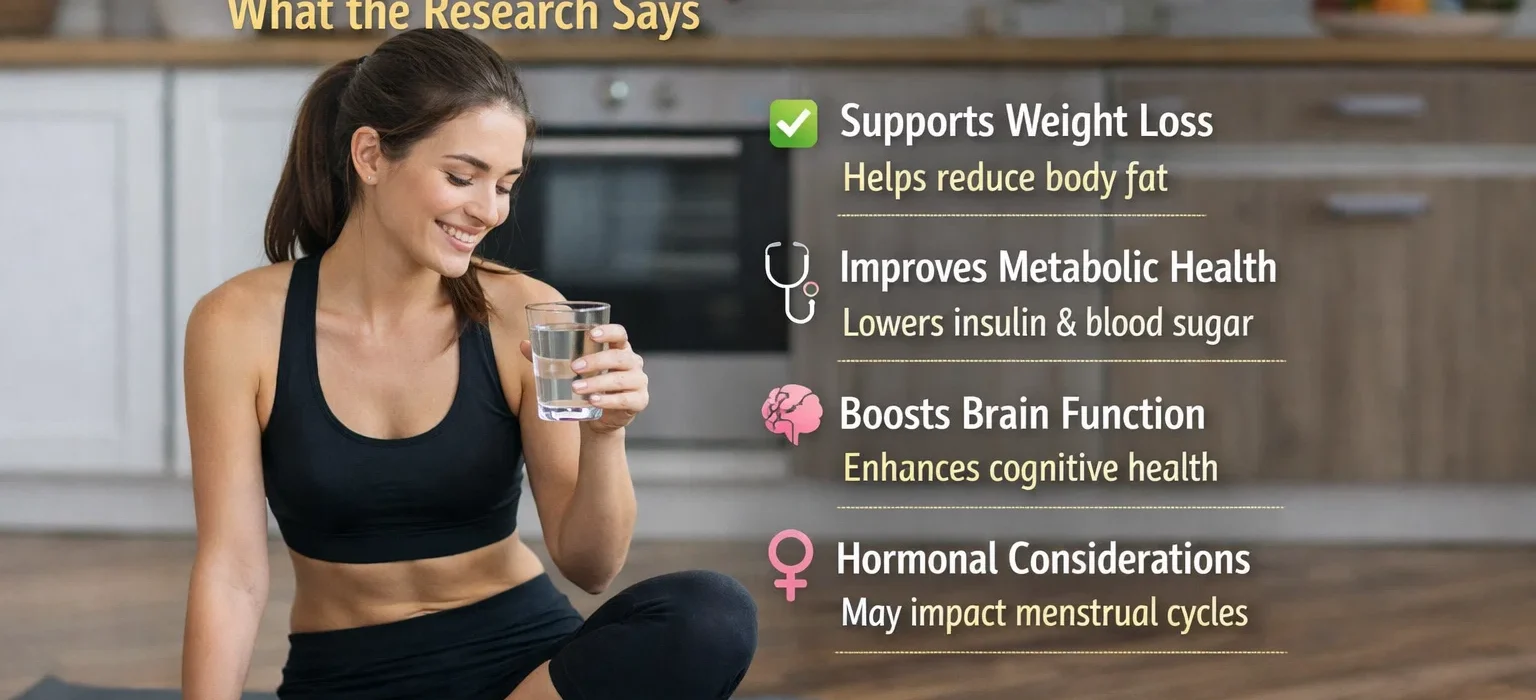
⚠️ A Note for Women: The IF research base is heavily male-dominated. Some women — particularly those with irregular menstrual cycles, thyroid conditions, fertility concerns, or high stress — report hormonal disruption with aggressive IF protocols (particularly 16:8 daily). Starting with 14:10, cycling IF (5 days on, 2 days off), and paying close attention to menstrual and energy patterns is a more cautious and appropriate approach for many women. If any hormonal symptoms emerge, reduce the fasting window or stop and consult your doctor.
Common Beginner Mistakes
- Starting too aggressively. Jumping straight to 16:8 or longer without adaptation leads to excessive hunger, poor decisions, and early abandonment. Build gradually over four to six weeks.
- Not eating enough protein. Without adequate protein, extended fasting periods promote muscle breakdown alongside fat loss. This is avoidable with proper protein intake during the eating window.
- Overeating during the eating window. Some people compensate for the fast by eating far more than their body needs — negating caloric benefits. Focus on nutritious, satiating foods, not volume.
- Exercising intensely while fasted without adaptation. High-intensity exercise in a fasted state is challenging for beginners. Start with moderate-intensity exercise and allow four to six weeks of adaptation before training hard while fasted.
- Expecting too much too quickly. Meaningful metabolic adaptations take four to eight weeks of consistent practice. Two weeks of IF is not enough to evaluate its effect on your body composition.
- Ignoring sleep-eating alignment. Eating close to bedtime — even within the eating window — disrupts sleep and reduces the circadian metabolic benefits of IF. Aim to finish eating two to three hours before bed.
- Treating IF as a licence to ignore food quality. Fasting for 16 hours and then eating ultra-processed food for eight does not produce the health benefits seen in IF research. What you eat still matters enormously.
✦ Key Takeaways
- Intermittent fasting is a timing-based eating pattern, not a diet — it specifies when you eat, not what you eat.
- The strongest benefits are improved insulin sensitivity, reduced inflammation, weight and body fat reduction, and autophagy activation — all with moderate to strong evidence.
- Start with 12:12 for two weeks, progress to 14:10, then to 16:8 — don’t rush the adaptation phase.
- Food quality during the eating window determines whether IF produces genuine health improvements. Prioritise protein, vegetables, healthy fats, and complex carbohydrates.
- IF is not appropriate for pregnant women, those with eating disorder history, type 1 diabetics, or those under 18.
- Women should start conservatively with 14:10 and monitor hormonal response carefully — the evidence base for aggressive IF in women is less robust than in men.
Frequently Asked Questions
Will intermittent fasting slow my metabolism?
This is one of the most common misconceptions about IF. Short-term fasting (up to 24 hours) has been shown to actually increase metabolic rate slightly — through elevated norepinephrine, which mobilises fat stores and maintains energy expenditure. Prolonged caloric restriction over weeks and months does reduce metabolic rate (adaptive thermogenesis) — but this is a response to sustained low calorie intake, not to fasting windows per se. Maintaining adequate protein intake during IF and incorporating resistance training largely prevents meaningful metabolic adaptation.
Can I drink coffee during the fasting window?
Yes — black coffee does not meaningfully raise insulin and is compatible with the fasting window. Coffee may even enhance some fasting benefits, as it promotes autophagy through AMPK pathway activation independently of fasting. However, adding milk, sugar, creamers, or butter (bulletproof coffee) breaks the fast by raising insulin. Herbal teas, green tea, and sparkling water are also acceptable during the fast.
Will I lose muscle on intermittent fasting?
Not if you eat adequate protein during your eating window and include resistance training. Multiple studies comparing IF to continuous caloric restriction show similar or better preservation of lean mass with IF, particularly when protein intake is sufficient. The growth hormone surge during fasting actually provides an anabolic signal that helps protect muscle tissue. If you’re concerned about muscle preservation, prioritise 1.6–2.2g of protein per kilogram of body weight distributed across your eating window meals.
How long until I see results from intermittent fasting?
Energy improvements and reduced digestive discomfort are often noticed within the first two weeks. Meaningful changes in body composition typically become visible at six to eight weeks of consistent practice combined with quality nutrition. Metabolic markers (insulin sensitivity, inflammatory markers) show measurable improvement in blood tests at four to twelve weeks. Give it at least eight weeks of consistent practice before evaluating results.
Is intermittent fasting safe long-term?
For most healthy adults, yes — the longest IF studies show sustained benefits and no safety concerns over one to two years. Some of the longest-lived populations in the world (various Blue Zones) practice forms of daily time-restricted eating. However, the very long-term effects of daily 16:8 fasting in humans have not been studied extensively, and there is emerging discussion about potential cardiovascular effects of extreme daily fasting windows in some populations. As with any dietary approach, periodic re-evaluation with your doctor is wise, particularly if you have existing health conditions.
Can I exercise during the fasting window?
Yes — and many people find fasted exercise very effective for fat oxidation. Low to moderate intensity exercise (walking, light jogging, yoga) is well-tolerated fasted for most people. High-intensity training while fasted is more demanding — some people perform well, others feel depleted. If you train fasted, ensure your post-workout meal is protein-rich to support recovery. Allow at least four weeks of IF adaptation before attempting intense fasted training.
Evidence-based wellness content to help you feel your best — body and mind. | The Whole You Wellness


Leave a Comment